
Health & Hygiene
Dog Ear Care in Humid Weather: A Miami Lakes Groomer's Guide
Humid air, summer storms and pool days keep a dog's ears damp, and damp ears are where trouble starts. Here is how to check and clean them at home, which dogs need extra attention, and the signs that mean a vet visit, not a cleaning.
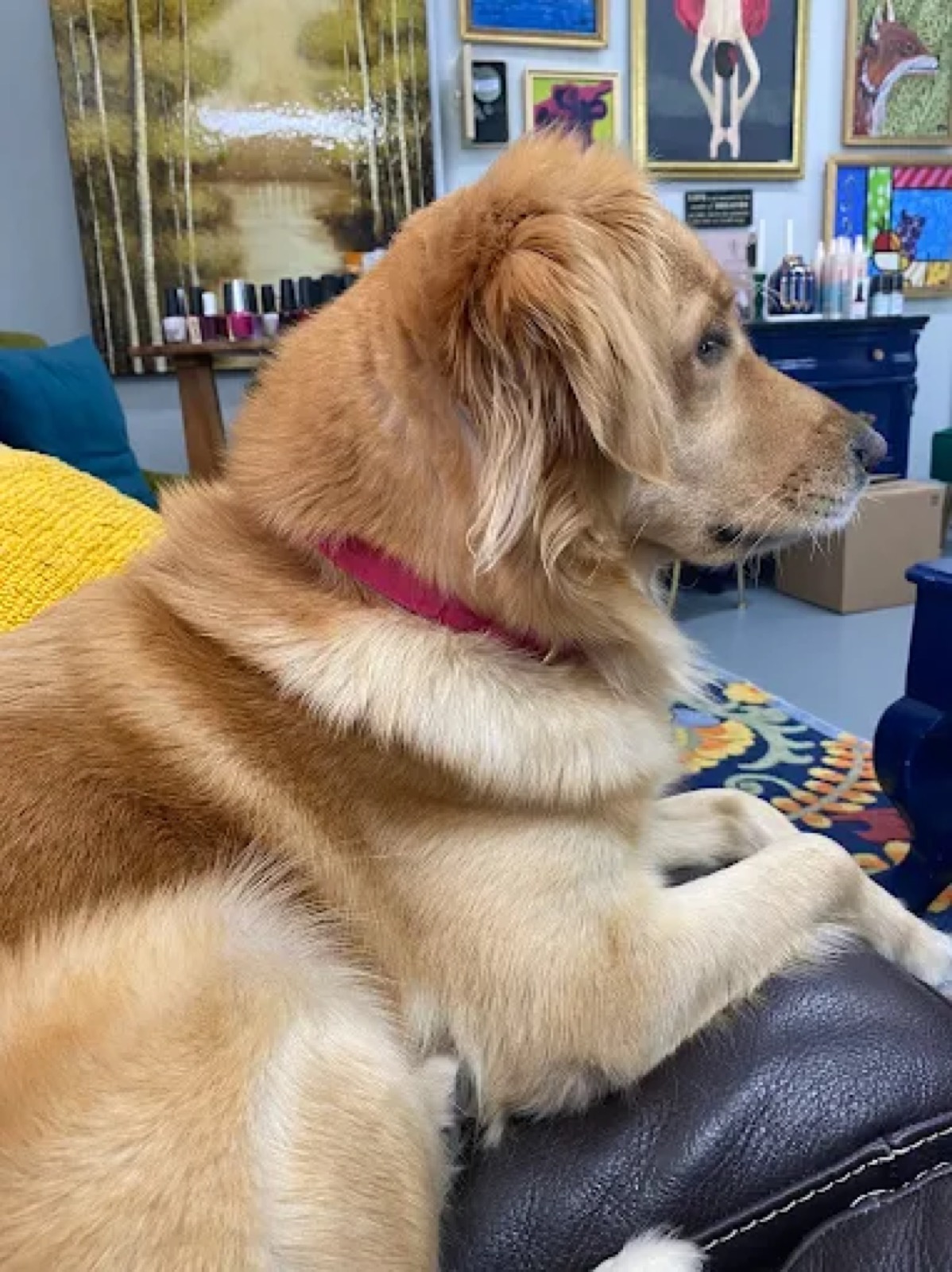
Lift your dog's ear flap after a rainy week in Miami Lakes and take a sniff. A healthy ear smells like almost nothing. An ear that has been warm and damp for days can smell sour, yeasty or just plain wrong, and very often that smell is the first sign that something is brewing. We notice it at drop-off more than owners would guess, especially in the summer months when the air feels like a wet towel.
Ear care is one of those jobs that quietly matters more in South Florida than almost anywhere else. Our humidity rarely lets up, afternoon storms roll through most of the summer, and a lot of local dogs spend time in pools, lakes and canals. All of that adds up to ears that stay damp, and damp ears are where most ear trouble starts.
We have been grooming dogs in Miami Lakes since 2003, and every service we offer, from an Only Bath up to a Full Service groom, includes an ear cleaning. This guide covers what we have learned about keeping ears healthy in this climate: how to check them at home, how to clean them without causing problems, which dogs need extra attention, and the signs that mean it is time to call your vet instead of reaching for a cotton ball.
The 30-second ear check
Once a week, gently lift each ear flap and look inside with good light. A healthy ear is pale pink, mostly clean, with maybe a little light wax, and has little or no smell. Redness, swelling, dark or yellow discharge, a strong yeasty or sour odor, or a dog who pulls away when you touch the ear are all signs to stop cleaning and call your veterinarian.
Why humidity is hard on dog ears
A dog's ear canal is shaped differently from ours. Instead of running straight in, it drops down and then turns inward toward the eardrum, roughly in the shape of an L. That bend protects the eardrum, but it also means moisture and debris do not drain out easily. Whatever gets down there tends to stay there.
Inside that canal, small amounts of yeast and bacteria live normally and cause no harm. The trouble starts when the environment changes in their favor. Warmth, darkness and moisture are exactly what they like, and an ear canal in a Miami summer can supply all three for weeks at a time. When the canal stays damp, those normal residents can multiply, the skin lining the canal gets irritated, and an itchy, smelly ear follows.
Up north, dry winter air gives ears a break for part of the year. Here we get a few drier months, but never the kind of long, dry stretch that resets things. Add a bath, a swim, a walk in a downpour or a roll in wet grass, and many dogs in Miami Lakes, Hialeah and Miramar carry a little extra moisture in their ears most of the year. That is why the habits below matter more for our dogs than the generic advice suggests.
Which dogs need extra attention
Every dog's ears deserve a weekly look, but some dogs live with more risk than others. If your dog fits one of these groups, make ear checks a firm habit rather than an occasional one.
Floppy ears
Ears that fold down over the canal act like a lid. They keep air out and keep warmth and moisture in. Cocker Spaniels, Basset Hounds, Beagles, Labradors and Golden Retrievers are classic examples, and many doodles fall into this group too. Dogs with upright ears, like German Shepherds or Chihuahuas, get more airflow, though they are not immune.
Hairy ear canals
Poodles, doodles, Shih Tzus, Maltese, Schnauzers and other dogs with hair that keeps growing often have hair inside the ear canal itself. That hair can trap wax, moisture and debris close to the skin. Keeping the hair on and around the ear flap tidy as part of a regular haircut helps air reach the opening. Whether hair inside the canal should be removed is something vets have different views on, and it is best decided dog by dog, so if your vet has a preference for yours, tell us at drop-off.
Swimmers
Pool dogs, beach dogs and the dogs who cannot walk past a lake without jumping in all collect water in their ears. A single swim is rarely the problem. Repeated swims without drying the ears afterward are. If your dog is in the water a lot, our guide to coat care after the pool, beach or lake covers the full rinse and dry routine.
Dogs with allergies
Itchy ears and itchy skin often travel together. Many dogs with ongoing ear trouble turn out to have an underlying allergy, whether to something in the environment or in their food, and South Florida's long growing season does not help. If your dog's ears flare up again and again, it is worth asking your vet whether allergies are part of the picture, because cleaning alone will not fix that.
How to clean your dog's ears at home
Most dogs do not need their ears cleaned every day, and cleaning too often can irritate a healthy ear. A good rule is to check weekly and clean when you see a little wax or dirt, after swimming, or as your vet recommends. When you do clean, here is the gentle way to do it.
- Use a cleaner made for dog ears. Ask your vet which ear cleaner suits your dog, especially if your dog swims often or has had ear problems before. Skip the home remedies people pass around, like vinegar, hydrogen peroxide, alcohol or oils, unless your vet has specifically told you to use one. Some of them sting irritated skin, and some can leave a damp ear even damper.
- Fill, then massage. Hold the ear flap up and apply the cleaner as the label directs. Then gently massage the base of the ear, just below the opening, for twenty or thirty seconds. You should hear a soft squishing sound. That is the cleaner loosening wax down in the bend of the canal.
- Let your dog shake. Step back and let them shake their head. This brings loosened debris up to where you can reach it. Doing this outside or in the tub saves your walls.
- Wipe only what you can see. Use a cotton ball or a square of gauze wrapped around your finger to wipe the inside of the flap and the opening of the canal. Stop where your finger stops comfortably.
- No cotton swabs down the canal. Swabs tend to push wax and debris deeper instead of pulling it out, and a sudden head movement can turn a swab into an injury. Leave anything deep to your vet.
- Dry and reward. Wipe away extra cleaner, dry the flap, and give a treat. A dog who expects a reward fights the next cleaning a lot less.
After baths and swims, drying matters as much as cleaning. Use a towel to dry the ear flap inside and out and gently wipe the opening of the canal. If your dog swims often, ask your vet whether a drying ear cleaner after swims makes sense for them. Placing a cotton ball loosely in each ear during a home bath can help keep water out, as long as you remember to take them out afterward.
What happens to your dog's ears at the salon
Ear care is part of every groom we do, including our simplest Only Bath. It is not an add-on that shows up at checkout. You can see exactly what each tier includes on our services page.
During the bath, we keep water and shampoo out of the canal as much as we can. Afterward we dry the ears carefully, clean the outer ear and the part of the canal we can see, and take a close look at the ear flap and opening under good light. That look is honestly one of the most useful parts of the visit. We are checking for redness, swelling, an unusual smell, discharge, dark debris, scabs, and the occasional tick tucked into a fold.
Because we groom one dog at a time, with the same people handling your dog from start to finish, we can take our time with a dog who is sensitive about their ears. And because many of our dogs come back on a steady schedule, we often notice when an ear looks or smells different from last time. When something seems off, we tell you that day.
What we will not do is scrub at an ear that looks infected or painful. Cleaning a sore ear can hurt, and if the eardrum is damaged, some products should not go into the canal at all. If an ear looks angry, we clean gently around it, leave the rest alone, and point you to your vet.
Signs of an ear infection
Ear infections are common in South Florida dogs, and they are uncomfortable enough that most dogs tell you about them, if you know what to watch for.
- Shaking the head often or hard
- Scratching or pawing at one ear, or rubbing the head along the floor and furniture
- Tilting the head to one side
- A strong sour, yeasty or foul smell
- Brown, yellow, black or bloody discharge
- Redness or swelling inside the ear flap or at the canal opening
- Crying, flinching or pulling away when the ear is touched
- Hair loss, scabs or raw spots around the ear
- Loss of balance, walking in circles or unusual eye movements
One more sign deserves a mention. A dog who shakes their head hard and often can burst a small blood vessel in the ear flap, and the flap fills up and swells like a soft pillow. That is called an ear hematoma. It looks dramatic, it is not something to wait out, and it usually means there is an ear problem underneath causing all the shaking.
We are groomers, not vets
We can clean healthy ears and tell you when something looks wrong, but an ear infection needs a veterinarian. Your vet can look all the way down the canal, check whether the eardrum is intact, and often test a sample to see whether yeast, bacteria or both are involved, because the right treatment depends on the answer. Please do not reach for leftover medication from a past infection or a product that worked for another dog. If you see any of the signs above, especially pain, swelling, a bad smell or balance problems, call your vet.
A routine that keeps ears healthy in Miami
The good news is that most ear trouble can be headed off with small, steady habits. Look inside your dog's ears once a week. Dry them well after every bath, swim and rainy walk. Clean only when they need it, with a vet-approved cleaner and a light touch. Keep the hair around the ears tidy on coated breeds. And pay attention to the early signals, like a little head shaking or a new smell, before they turn into a full infection.
A regular grooming rhythm helps too, because it puts a trained set of eyes and hands on your dog's ears every few weeks. Our guide to how often to groom your dog walks through the right interval for each coat type. For dogs whose ears need more frequent attention, like swimmers, floppy-eared breeds and dogs with a history of infections, the Paws Membership lets you come in as often as every week or every two weeks. Every visit includes an ear cleaning, and the same groomers see your dog each time, so changes get noticed early.
The short version
South Florida humidity keeps dog ears damp, and damp ears are where yeast and bacteria get the upper hand. Floppy-eared dogs, dogs with hair in their ear canals, swimmers and allergy-prone dogs need the most attention. Check the ears weekly, dry them after every bath and swim, clean them only as needed with a cleaner your vet recommends, and never push a cotton swab down the canal. Head shaking, scratching, odor, discharge, redness or pain mean a vet visit, not a cleaning.
If you want a second opinion on how your dog's ears look, bring them by. Every service at Paws includes an ear cleaning and a careful look, and we will tell you honestly what we see.
Frequently asked questions
How often should I clean my dog's ears?
Most dogs do well with a weekly ear check and a cleaning only when the ears look waxy or dirty, after swimming, or on the schedule your vet recommends. Cleaning a healthy ear too often can irritate it. Dogs with floppy ears, hairy ear canals or a history of infections may need more frequent cleaning, and your vet can tell you what is right for yours.
Can I use cotton swabs to clean my dog's ears?
It is best not to put cotton swabs down your dog's ear canal. A swab tends to push wax and debris deeper, and a sudden head movement can cause an injury. Use a cotton ball or gauze around your finger to wipe only the parts of the ear you can see, and leave anything deeper to your vet.
Why do my dog's ears smell bad?
A healthy dog ear has little or no smell. A sour, yeasty or foul odor usually means yeast or bacteria are overgrowing in the canal, which is common in humid places like South Florida. If the smell comes with redness, discharge, scratching or head shaking, it is likely an infection, and your vet should look at it before you clean.
Is ear cleaning included in grooming at Paws?
Yes. Every service at Paws Grooming & Puppies, including the Only Bath, includes an ear cleaning along with nails, anal glands and teeth brushing. We also check the ears during the visit and will tell you the same day if anything looks like it needs a vet.
Ears due for a cleaning, or acting up?
Every service at Paws includes an ear cleaning and a careful look inside. Call 305-690-7137 or WhatsApp 305-619-9784 to book a visit.