
Coat Care
After the Swim: Coat, Skin and Ear Care for Pool, Beach and Lake Dogs
South Florida dogs swim all summer, and what happens after the swim decides whether the water is good for the coat. Here is how to rinse, dry and care for ears and skin after the pool, the beach or the lake.
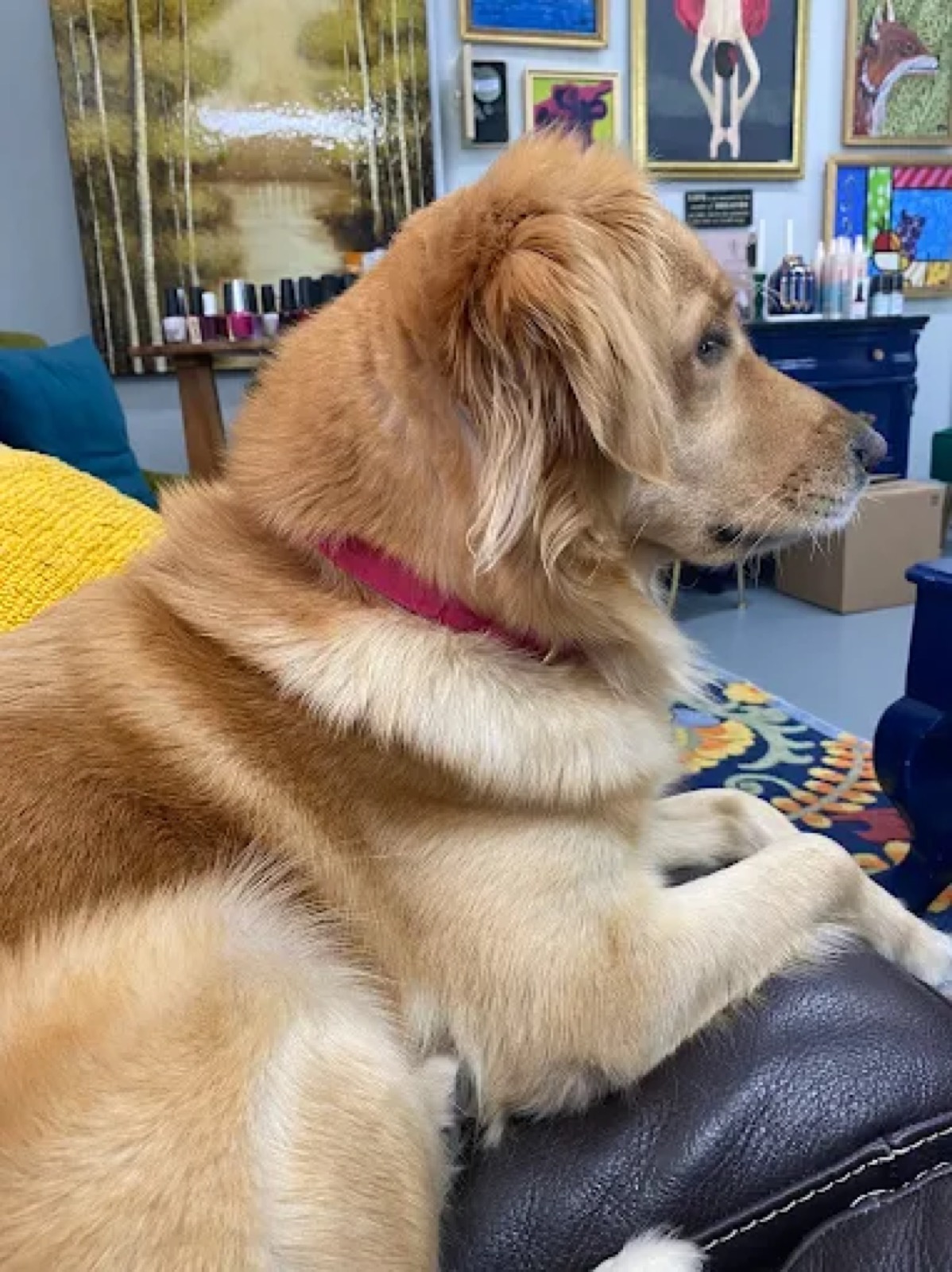
Swimming is one of the best things a South Florida dog can do in summer. It burns energy without a long walk on hot pavement, it cools the body down, and plenty of dogs love it more than anything. Between backyard pools, the beach, and all the lakes and canals around Miami Lakes, Hialeah and Miramar, a lot of local dogs are in the water every week from May to October.
What happens after the swim is the part that decides whether all that water is good for the coat or slowly working against it. We have been grooming dogs in Miami Lakes since 2003, and by late summer we can often tell the swimmers at drop-off. The coat that feels dry and straw-like from the pool. The musty smell that comes back a day after every bath. The tight little mats behind the ears. The ear that has been bothering a dog for a week. Almost all of it traces back to the same thing: water that went into the coat and never fully came out.
This guide covers what pool, salt and fresh water each leave behind, the simple after-swim routine that prevents most problems, how to care for ears and paws, and the signs that mean a call to your vet. None of it requires giving up the water. It just takes ten minutes after you get out.
The after-swim routine
Rinse your dog with clean fresh water, all the way down to the skin. Squeeze the water out of the coat with your hands, then towel firmly. Dry the outer ear and the opening of the ear canal with a soft cloth. Finish drying the coat to the skin, especially on thick or curly coats, and brush once it is dry. Check between the toes for sand and wet hair. Ten minutes now saves weeks of skin and coat trouble later.
Every kind of water leaves something behind
Pool, ocean and lake water all feel the same to your dog. To the coat and skin, they are three different problems.
Pool water
Pool chemicals keep the water clean for people, and they do the same thing to your dog's coat that they do to our hair: they strip natural oils. A dog who swims in the pool every day without a rinse often ends up with a coat that feels dry, brittle or rough, and skin that gets itchy and flaky. Light-colored coats can also start to look dull. The fix is simple. Rinse with fresh water after every swim so the chemicals are not sitting on the skin for the rest of the day.
One safety note while we are talking about pools: make sure your dog knows where the steps are. Many dogs can swim but cannot figure out how to climb out of a pool, and they tire faster than you would expect. Practice walking them to the steps from the middle of the pool, and never leave a dog alone with an open pool.
Salt water and sand
A beach day leaves two things in the coat: salt and sand. Salt dries out the coat and skin the same way chlorine does, and if it dries on your dog it can leave the skin tight and itchy. Sand is the bigger nuisance. It works its way down to the skin, packs into the undercoat, and collects between the toes, where it rubs with every step. After the beach, rinse thoroughly down to the skin. A quick spray over the back leaves most of the sand behind. Bring fresh water to drink as well, since dogs who gulp sea water while playing often end up with an upset stomach.
Lake and canal water
Fresh water from lakes, ponds and canals brings its own mix: algae, bacteria, mud and plant debris. That is often where the "swamp dog" smell comes from, and it lingers in a damp coat. Rinse after every lake swim.
Two local warnings matter more than the smell. First, Florida's fresh water can grow blue-green algae blooms, which can be dangerous to dogs. Keep your dog out of any water that looks green, scummy, foamy or like spilled paint, and out of any water with a posted advisory. If your dog swims in or drinks questionable water and then vomits, drools heavily, seems weak or wobbly, or has trouble breathing, go to a vet right away. Second, our lakes and canals are alligator country. Keep dogs leashed and back from the water's edge in freshwater lakes and canals, especially around dawn and dusk, and do not let them swim where you cannot see clearly.
Why drying matters more than anything
If you take one thing from this article, take this: a wet coat in Miami does not dry on its own the way it would somewhere drier. Our humidity keeps moisture trapped in the coat for hours, and on thick or double-coated dogs the undercoat can stay damp against the skin long after the top feels dry. Warm, damp skin is exactly what yeast and bacteria like best. That is where the stubborn odor, the itchy patches and the raw, irritated hot spots come from.
So the goal after every swim is a coat that is dry all the way to the skin. Squeeze the water out with your hands first, then towel with real pressure instead of a light pat. For thick coats, a pet dryer on a low, cool setting, or even a regular fan while you brush, makes a big difference. Do not let a damp dog lie down for the afternoon on a bed or couch, where the coat underneath will stay wet for hours.
Double coats like Labs, Goldens and Shepherds are the classic swimmers, and they hold the most water. The undercoat soaks up water like a sponge. Regular brushing that removes the loose undercoat helps the whole coat dry faster, which is one reason we recommend it so strongly for water dogs. Our Golden Retriever deshedding guide explains how that works on one of the most common swimmers we see.
Curly and doodle coats have a different risk. Water makes tangles tighten, and a coat that goes in with small tangles can come out with real mats. Brush the coat out well before swimming season and between swims, then dry and brush again afterward. A shorter, practical trim also helps a lot for doodles who swim every week, since there is less coat to hold water and less to tangle.
Ears: the most common after-swim problem
Water in the ears, plus our heat and humidity, is one of the most common reasons swimmers end up at the vet in summer. Floppy-eared dogs are most at risk, since the ear flap seals moisture inside the canal. Retrievers, spaniels, doodles and poodles all fall into this group, and so do many mixes.
After every swim, lift the ear flap and gently dry the outer ear and the opening of the canal with a soft cloth or cotton pad. Do not push anything down into the canal, and never use cotton swabs inside the ear. If your vet has recommended a drying or cleaning solution for swimmers, use it as directed. Ear cleaning is part of every visit with us, including the Only Bath, so a regular grooming rhythm keeps a professional eye on the ears all season.
We are groomers, not vets
We clean ears and we notice when something looks off, but we do not diagnose or treat ear infections or skin infections. If your dog is shaking their head, scratching an ear, tilting their head, or has redness, swelling, discharge or a bad smell from the ear, call your vet. The same goes for skin that stays red, raw or itchy after rinsing, or a smell that comes back no matter how often you bathe. And any dog who seems sick after swimming in a lake, canal or pond should see a vet that day.
Skin and paws after the water
While you are drying, take a minute to check the skin. Part the coat in a few places, especially on the belly, armpits, chest and the base of the tail, and look for redness, flaking or little bumps. Skin that looks irritated after pool days usually means the chemicals need to come off faster. If it does not settle with a better rinse, talk to your vet.
Paws need their own look. Wet pads are softer, so check for small cuts from rocks, shells or pool edges, and be careful about hot pool decks right after a swim. Rinse sand from between the toes and dry the feet properly. The hair between the pads stays damp longer than anywhere else on the body, and in this climate damp feet turn into itchy, smelly feet quickly. Keeping that hair cleared, which we do in our Grooming and Full Service visits, helps feet dry faster.
How often should a swimmer be bathed?
Rinsing and bathing are two different jobs. A fresh-water rinse after every swim is the daily habit. A full shampoo bath every single time your dog swims is too much for most dogs, because frequent shampooing can dry the skin out further. The better plan is a fresh-water rinse after each swim, followed by a proper bath, thorough drying and brush-out on a regular schedule.
For a lot of water dogs, that regular bath is exactly what our Only Bath is for: bath and brush, nail trim and file, ear cleaning, anal gland expression and teeth brushing, with no haircut. Many families pair it with full grooms on a longer rhythm. You can compare what each visit includes on our services page, and our guide to how often to groom your dog covers the right interval by coat type.
If your dog is in the water most days, the Paws Membership fits the summer especially well. Members can come in as often as every week or every two weeks, see the same groomers each time, and get priority scheduling, so a swimmer's coat gets a thorough wash and a full dry before small problems settle in.
The short version
Let your dog swim, then clean up after it. Rinse with fresh water after every pool, beach or lake swim, all the way to the skin. Squeeze, towel and dry the coat completely, because in our humidity a damp coat stays damp and leads to odor, itch and hot spots. Dry the outer ears after every swim and never push anything into the canal. Check the skin and between the toes. Stay out of green or scummy water, keep dogs back from the edge of lakes and canals, and call your vet for ear trouble, skin that will not settle, or a dog who seems unwell after swimming.
If your swimmer is coming home with a dry, rough or smelly coat, or ears that keep bothering them, bring them by. We will wash out what the water left behind, dry them all the way down and tell you what we see.
Frequently asked questions
Should I rinse my dog after swimming in the pool?
Yes. Rinse with clean fresh water after every pool swim, all the way down to the skin. Pool chemicals strip the coat's natural oils and can leave the skin dry and itchy if they sit there all day. A plain water rinse is enough after each swim. Save full shampoo baths for a regular schedule so the skin does not dry out.
Is lake or canal water safe for my dog in Florida?
It can be, with care. Keep your dog out of any water that looks green, scummy or foamy, or has a posted advisory, since blue-green algae can be dangerous to dogs. Keep dogs leashed and back from the edge of freshwater lakes and canals, where alligators live. Rinse after every swim, and if your dog vomits, drools heavily or seems weak afterward, see a vet right away.
How do I dry my dog's ears after swimming?
Lift the ear flap and gently wipe the outer ear and the opening of the canal with a soft cloth or cotton pad. Do not push anything down into the canal and do not use cotton swabs inside the ear. If your dog swims often, ask your vet whether a drying solution makes sense. Head shaking, scratching, redness or a bad smell from the ear are reasons to call your vet.
Why does my dog smell bad after swimming?
Usually because the coat never fully dried. In our humidity, water trapped in a thick coat stays against the skin for hours, and that warm, damp skin is where odor-causing yeast and bacteria grow. Rinse after swimming and dry the coat all the way to the skin. If the smell keeps coming back even with good drying, or the skin looks red or greasy, have your vet take a look.
Is your swimmer due for a real wash and dry?
Every visit includes a bath and brush, ear cleaning and nails. Bring your water dog by and we will wash out what the pool, the beach or the lake left behind.