
Health & Hygiene
How to Brush Your Dog's Teeth, and What We Do at Every Visit
Every service at our Miami Lakes salon includes teeth brushing, and the most important dental habit happens at home. Here is how to brush your dog's teeth step by step, and when a sore mouth needs your vet.
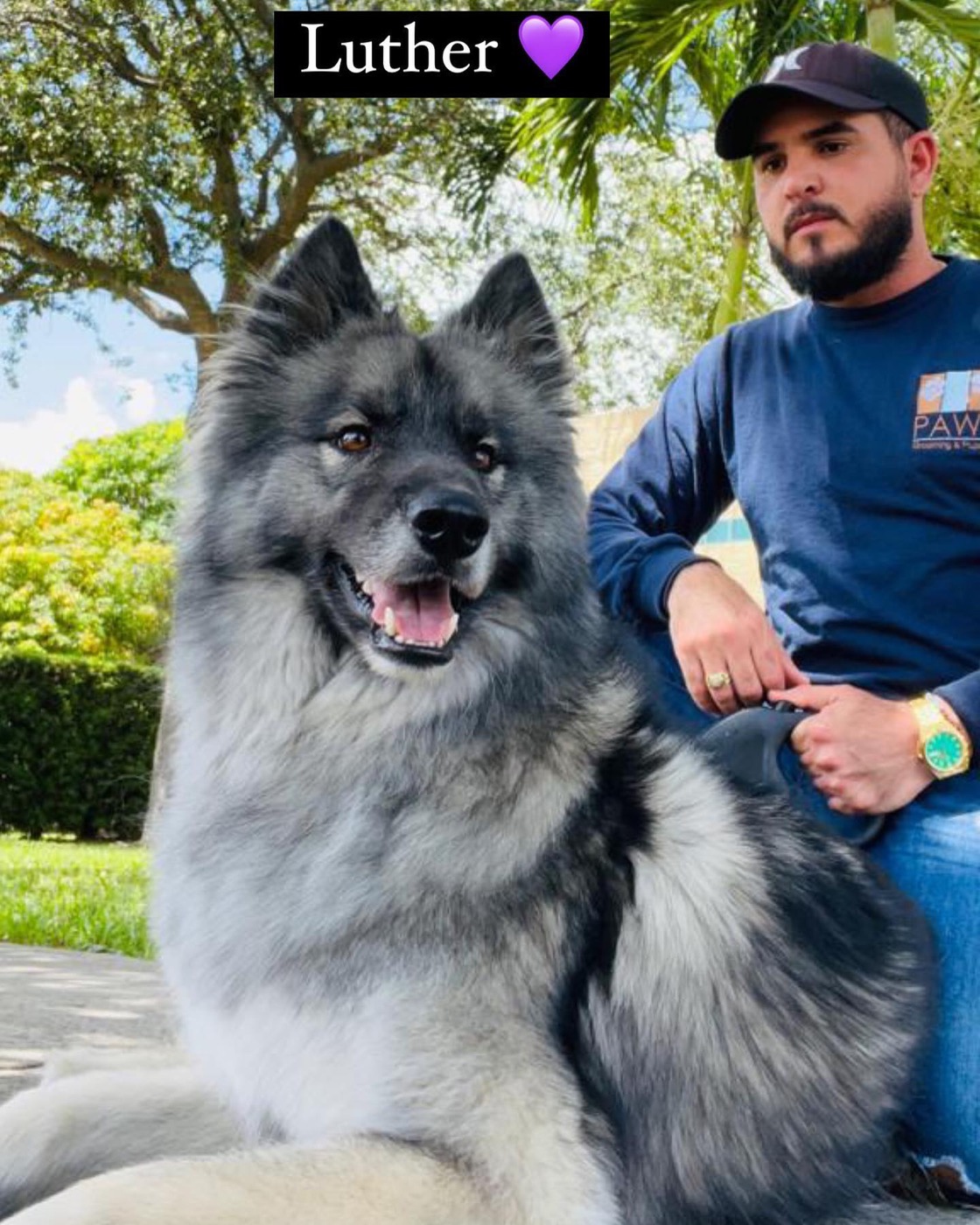
Bad breath is usually the first thing owners notice. Your dog comes in close for a kiss and you turn your head. What most people do not realize is that the smell is often the first sign of a problem building quietly along the gumline, one that started long before anyone noticed it.
Dental care is one of the most overlooked parts of keeping a dog healthy. It is also one of the easiest to improve with a small daily habit. That is why every service we offer at Paws Grooming & Puppies, from an Only Bath to a Full Service groom, includes teeth brushing. A clean mouth is part of a clean dog.
This guide covers why dog teeth need regular attention, exactly what we do at every visit, how to brush your dog's teeth at home step by step, and the warning signs that mean it is time for your veterinarian. We will also be clear about the line between what a groomer can do and what only a vet can do, because in dental care that line really matters.
What salon teeth brushing is, and what it is not
Teeth brushing at the salon is the same kind of brushing you would do at home: a toothbrush and dog toothpaste on the outer surfaces of the teeth. It helps keep plaque from building up between your own brushing sessions. It is not a dental cleaning. It does not remove hardened tartar, reach below the gumline or treat gum disease. Only your veterinarian can do that.
Why your dog's teeth need attention
Every time your dog eats, a soft film called plaque builds up on the teeth. Left alone, plaque hardens into tartar, the yellow or brown buildup you can see near the gumline, especially on the back teeth. Tartar irritates the gums and gives bacteria a place to settle in. Over time that leads to gum disease, which can loosen teeth, cause pain and affect more than just the mouth.
Dogs are very good at hiding mouth pain. Most keep eating even with sore teeth because they are hungry. That is why dental disease so often goes unnoticed until it is advanced. By the time a dog is visibly struggling to chew, the problem has usually been there for a while.
Small breeds tend to have the hardest time. Yorkies, Chihuahuas, Maltese, Shih Tzus, Pomeranians and toy poodles often have crowded teeth in small mouths, which gives plaque more places to hide. Many small dogs also hold on to baby teeth longer than they should, which crowds things even more. If you have a small dog, dental care deserves a regular spot in your routine. Our Yorkie grooming guide covers that breed's mouth and coat in more detail.
What we do at every visit
Teeth brushing is included in every service we offer: Only Bath, Grooming and Full Service. You can see what else comes with each one on our services page. Every dog gets the same core set, which also includes nails, ears and anal glands, because those parts of hygiene matter at every visit no matter what haircut your dog gets.
The brushing itself is quick and gentle. We use a toothpaste made for dogs, never a human one, and work along the outer surfaces of the teeth where plaque collects most. Some dogs love it for the flavor. Some need a little patience. We work at the dog's pace.
While we are in there, we also take a look. It is not a medical exam, just the kind of look an experienced set of eyes gives. If we see heavy tartar, red or bleeding gums, a broken tooth, a loose tooth, or a smell that seems worse than ordinary dog breath, we will tell you at pickup so you can bring it up with your vet.
What salon brushing gives you is consistency. A dog who comes in every week or two gets their teeth brushed every week or two, on top of whatever you do at home. That rhythm keeps fresh plaque from settling in between your own sessions. What it cannot do on its own is replace brushing at home, and it cannot clean up a mouth that already has tartar or gum disease.
How to brush your dog's teeth at home, step by step
Most dogs can learn to accept tooth brushing, and plenty of them come to enjoy it. The trick is to go slow and keep every session short and positive. Plan on a week or two of gradual steps before you are doing full brushings.
1. Get the right supplies
You need a toothpaste made for dogs and a toothbrush small enough for your dog's mouth. That can be a dog toothbrush, a soft finger brush or a small, soft child-size brush. Never use human toothpaste. It is not meant to be swallowed, and some contain xylitol, a sweetener that is toxic to dogs. Dog toothpaste is safe to swallow and comes in flavors dogs actually like.
2. Start with a taste
For the first few days, put a little toothpaste on your finger and let your dog lick it off. That is the whole session. You want your dog to learn that toothpaste is a treat.
3. Touch the gums and teeth
Next, with toothpaste on your finger, gently lift your dog's upper lip and rub your finger along the outside of the teeth and gums for a few seconds. Praise, then stop. Repeat for a few days until your dog is relaxed about it.
4. Introduce the brush
Let your dog lick the toothpaste off the brush first. Then lift the lip and brush a few front and side teeth with gentle, small circles, angled toward the gumline. Stop while it is still going well.
5. Work toward the back
Over the next sessions, work back to the big teeth along the cheeks, especially the upper ones. Those back teeth tend to collect the most tartar. You only need to brush the outer surfaces. Most dogs will not tolerate brushing the inside of the teeth, and the outsides are where most of the buildup happens anyway.
6. Keep it short and end well
A full brushing takes a minute or two. Aim for about thirty seconds per side once your dog is used to it. Always finish on a good note, with praise or a walk, so your dog is happy to do it again tomorrow.
How often to brush
Daily is ideal. Plaque starts to harden into tartar fairly quickly, so a daily habit does much more than a long scrub once a week. If daily is not realistic, a few times a week still helps a lot. The best schedule is the one you will actually keep.
It helps to tie brushing to something you already do. Right after the evening walk, or right before bed, works for a lot of families. Keep the toothbrush and paste where you will see them, and brushing becomes as routine as filling the water bowl. On busy weeks, even a quick rub along the outer teeth with a finger and toothpaste is better than skipping.
Signs your dog needs a vet, not a toothbrush
Brushing prevents problems. It does not fix problems that are already there. Call your veterinarian if you notice any of these:
- Breath that is strong, foul, or suddenly worse than usual
- Yellow or brown buildup on the teeth, especially along the gumline
- Red, swollen or bleeding gums
- Loose, broken or discolored teeth
- Chewing on one side, dropping food or eating slower than usual
- Pawing at the mouth or rubbing the face along the floor
- More drooling than normal, sometimes with blood in it
- Swelling on the face, especially below the eye
- Not wanting the head or mouth touched
If your dog already has tartar or gum trouble, brushing over it can be uncomfortable, and it will not remove what is already there. Get the mouth checked and cleaned first, then use brushing to keep it clean afterward.
We are groomers, not vets
We brush teeth. We do not scrape tartar, clean below the gumline or treat anything in the mouth. A real dental cleaning is a veterinary procedure that comes with a full exam of every tooth and the gums around it, and your vet is the one who decides when your dog needs it. If we see something concerning in your dog's mouth, we will tell you, and the next step is your vet. Dental chews, water additives and similar products can have a place in a routine, but ask your vet which ones make sense for your dog rather than picking one off the shelf.
Why it matters in a dog's later years
Dental problems tend to add up with age. A dog who has had years of plaque and tartar building up often reaches their senior years with sore gums and teeth that need attention, at the same time other health issues may be showing up. Starting a brushing habit early is one of the kindest things you can do for your dog's older self. If you already have an older dog, it is not too late. Talk with your vet about getting the mouth to a clean starting point, then keep it there with regular brushing at home and at the salon.
Make it part of the routine
The dogs with the healthiest mouths are usually not the ones with the fanciest products. They are the ones whose owners brush most days and who see a groomer and a vet on a regular schedule. Home brushing handles the daily plaque. Regular grooming visits add another brushing and another set of eyes. Your vet handles exams and cleanings.
For a lot of our families, the Paws Membership makes the salon side of that routine automatic. Members come in as often as every week or every two weeks, and every visit includes teeth brushing, nails, ears and anal glands along with the bath. Paired with a daily brush at home, that keeps your dog's mouth on a steady schedule all year.
The short version
Plaque builds up on your dog's teeth every day, hardens into tartar and leads to gum disease if nothing is done. Small dogs are especially prone. Brush at home daily if you can, or a few times a week, with dog toothpaste only, never human toothpaste. Start slow, focus on the outer surfaces and the back teeth, and keep sessions short and positive. Every service at Paws includes teeth brushing, and we will tell you if we see something worrying. But brushing is not a dental cleaning. For tartar, sore gums, broken teeth or bad breath that will not go away, the right call is your veterinarian.
Questions about your dog's mouth, or ready to book? Call us at 305-690-7137 or send a WhatsApp to 305-619-9784.
Frequently asked questions
Is teeth brushing included in a dog groom?
At Paws Grooming & Puppies, yes. Every service we offer, from Only Bath to Grooming to Full Service, includes teeth brushing along with nails, ears and anal glands. We brush with a dog toothpaste and let you know if we notice heavy tartar, red gums or a broken tooth so you can follow up with your vet.
Can I use human toothpaste on my dog?
No. Human toothpaste is not made to be swallowed, and some contain xylitol, a sweetener that is toxic to dogs. Use a toothpaste made for dogs, which is safe to swallow and comes in flavors dogs tend to like. Ask your vet if you are not sure what to use.
How often should I brush my dog's teeth?
Daily is ideal, because plaque starts to harden into tartar fairly quickly. If daily is not realistic, a few times a week still helps a lot. Brushing at the salon adds to your home routine but does not replace it. The most important thing is picking a schedule you can stick with.
Does brushing at the groomer replace a dental cleaning at the vet?
No. Brushing helps keep plaque from building up, but it cannot remove hardened tartar, clean below the gumline or treat gum disease. A dental cleaning is a veterinary procedure, and your vet decides when your dog needs one. Think of brushing as maintenance between vet visits, never a substitute for them.
Teeth brushing comes with every visit
Every service at Paws includes teeth brushing, nails, ears and anal glands. Book a visit and we will tell you honestly what we see.