
Coat Care
Tear Stains on White Dogs: Why They Happen and How to Keep the Face Clean
Rusty streaks under the eyes are one of the most common worries for owners of white dogs. Here is what causes them, how face trims and daily drying help in our humidity, and when to call your vet.
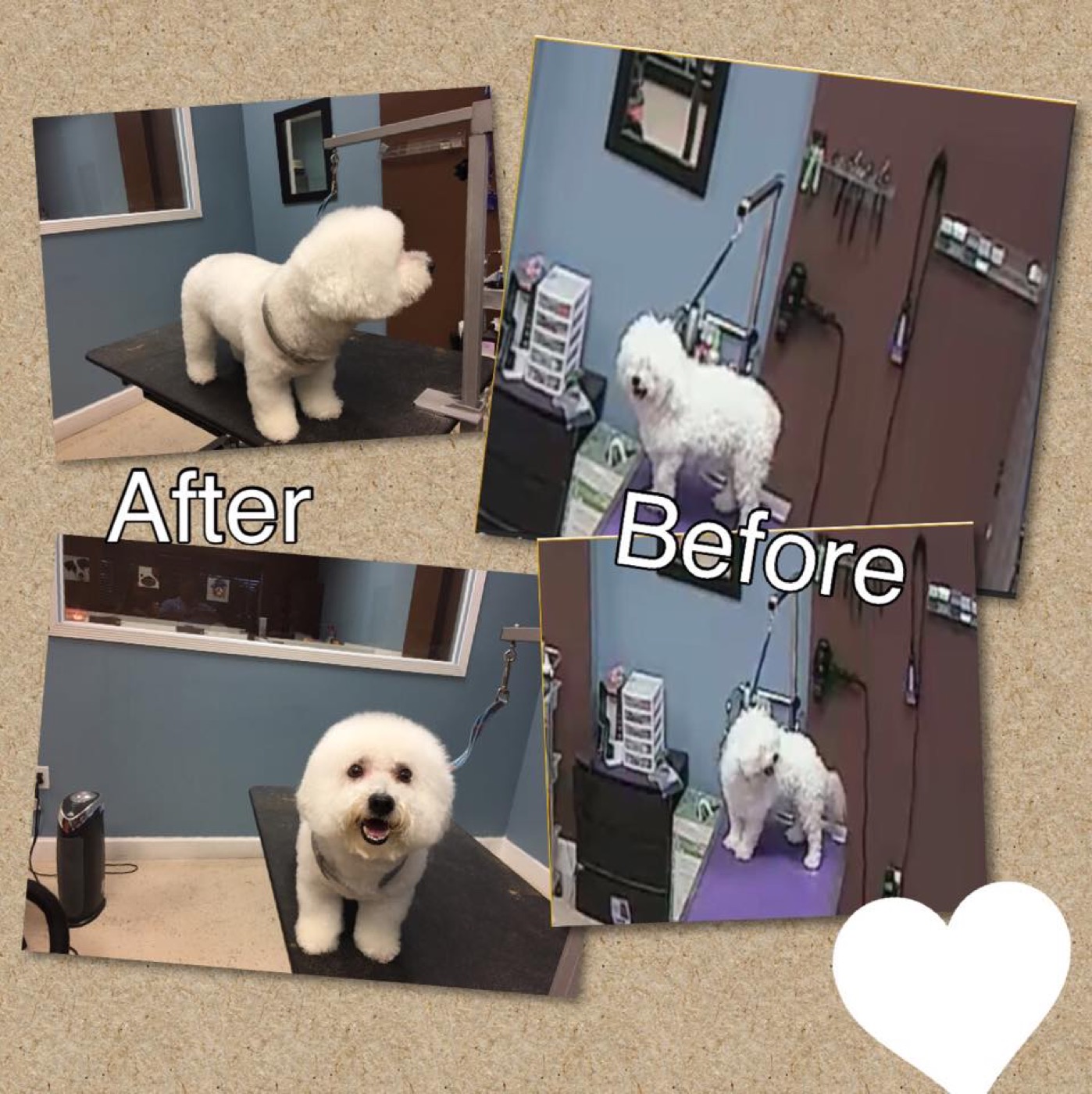
If you have a white dog, you probably know the look. Two reddish brown streaks running down from the inner corners of the eyes, sometimes with a matching rusty patch around the mouth or on the front paws. Tear stains are one of the things we get asked about most by owners of Maltese, Bichons, white Poodles and Shih Tzus. Owners usually want to know two things: why the stains happen, and how to get rid of them.
The honest answer is that tear stains can almost always be improved, and the steps are simple: a tidy face, a clean and dry eye area every day, and a vet check when something seems off. What usually does not work is a quick fix. In South Florida, the humidity adds a challenge, because a damp face stays damp for a long time.
We have been grooming white dogs in Miami Lakes since 2003. Here is what we know about tear stains, what we do about them in the salon, and what you can do at home.
The daily face routine
Once or twice a day, gently wipe the area under your dog's eyes with a soft cloth or cotton pad dampened with plain water. Then dry the area completely with a clean, dry cloth. Use a fine comb to lift any crust from the corners of the eyes. Keep hair from poking into the eyes with regular face trims, and keep a topknot up if your dog wears one. Dry is the goal. A clean but damp face will still stain.
What tear stains actually are
Tears do more than keep the eye wet. They contain natural pigments called porphyrins, which the body makes when it breaks down iron. When tears spill out of the eye and sit on the hair below it, those pigments slowly tint the hair a reddish brown. Saliva carries the same kind of pigments, which is why some dogs also get rust-colored staining around the mouth or on paws they like to lick.
On a dark dog, nobody notices. On a white or cream coat, it shows up clearly. That is why tear stains are known as a white-dog problem, even though dogs of every color have the same pigments in their tears.
There is a second layer to it. When the hair under the eyes stays damp for long stretches, yeast and bacteria can grow there. That can darken the stain to a deeper brown and give the face a musty smell. A stain that smells or feels greasy usually has a moisture problem behind it, and that is where better drying makes the biggest difference.
Why some dogs stain more than others
Every dog makes tears. Staining happens when tears overflow onto the face instead of draining away through the tear ducts, or when they collect on hair that holds them in place. Several things can cause that:
- Face shape. Small dogs with shorter muzzles and shallower eye sockets often have less room for tears to drain normally, so more of them spill out.
- Hair around the eyes. Long hair at the inner corner of the eye can act like a wick, pulling tears out onto the face. Hair that pokes the eye also causes irritation, which makes the eye water more.
- Narrow or blocked tear ducts. Some dogs are born with tear ducts that do not drain well. Others develop blockages later.
- Eyelash and eyelid issues. Extra lashes or lashes that grow toward the eye can rub and cause constant tearing.
- Allergies. Environmental allergies can make eyes water, and South Florida has pollen and mold in the air for most of the year.
- Teething. Many puppies stain more while their adult teeth are coming in, and some improve afterward.
Several causes on that list are not grooming issues. That is why a stubborn tear stain is worth showing your veterinarian, especially one that appeared suddenly. More on that below.
Why humidity makes it harder in Miami
In a dry climate, a little tear moisture evaporates quickly. Here, the air is often so humid that the hair under the eyes never fully dries on its own. Add summer rain, afternoon walks in sticky heat, and a dog who drinks from the bowl and drips across the face, and you end up with a face that is almost always slightly damp.
That constant moisture gives the pigments more time to tint the hair and gives yeast a comfortable place to grow. It also means the daily drying step matters more for our dogs than it would up north. A face that gets wiped and dried twice a day in Miami Lakes will usually look much better than one that gets wiped and left wet.
What a face trim does
Keeping the hair around the eyes short and tidy is one of the most effective things you can do for tear stains, and it is part of every Grooming and Full Service visit with us. The eye-area trim is included in both, along with the sanitary trim and clearing and rounding the paws. You can see exactly what each service includes on our services page.
A good face trim does three things. It clears hair that pokes into the eye and causes extra tearing. It removes the long hair at the inner corners that wicks tears down the face. And it leaves the area under the eyes short enough to wipe and dry quickly at home.
It is also the only real way to get rid of an existing stain. Once hair is stained, the color is in the hair itself, and it will not fully wash out. What does work is keeping the new hair clean and dry as it grows in and trimming away the stained ends over a few visits. Owners who keep up with daily drying and regular face trims usually see the stains fade steadily over a couple of months.
Trimming close to the eyes is careful work that needs a steady hand, the right scissors and a dog who is held still and secure. We do not recommend trying it at home with household scissors. A sudden head movement is all it takes for an injury.
Daily care at home
Wipe gently. Use a soft cloth or cotton pad dampened with plain water, or an eye-area cleanser your veterinarian recommends. Wipe from the inner corner down and away from the eye. Use a fresh pad for each eye.
Dry completely. This is the step most people skip. Follow the wipe with a clean, dry cloth and gently press the area dry. The less time the hair stays wet, the less it stains.
Comb out crust. A small fine-toothed comb lifts dried discharge from the corners of the eyes without tugging. Go slow and keep the comb pointed away from the eye.
Keep hair out of the eyes. Long-haired dogs like Maltese and Shih Tzus often do better with a topknot or a small clip to keep the hair above the eyes up and away. Redo it daily so it does not pull.
Wipe the mouth and paws. If your dog has rusty staining around the mouth or on the front paws, a quick wipe and dry after meals and after licking sessions helps the same way.
Make it a habit. Twice a day for a minute does far more than a big scrub once a week.
What not to do
Please do not put anything near your dog's eyes that is not made for that purpose. That means no bleach, no hydrogen peroxide, no makeup remover and no human eye drops unless your vet prescribes them. The eye is easy to injure, and these products can cause real harm.
Be careful with tear stain supplements and powders sold online. Some contain ingredients that should only be given under a veterinarian's direction, and none of them fix a blocked tear duct, an eyelash rubbing the eye or an allergy. If you are thinking about any product that goes in your dog's food or water for tear stains, ask your vet first.
We are groomers, not vets
We can keep the face clean, trimmed and dry. We cannot fix the reason your dog's eyes are watering. Please see your veterinarian if the tearing starts suddenly or gets much worse, if only one eye is affected, if the eye looks red, swollen or cloudy, if your dog squints or paws at the eye, if the discharge is thick, yellow or green, or if the face has a strong smell. Your vet can check the tear ducts, eyelids, lashes and the eye itself, and look for allergies or infection.
Breed notes
Maltese
The all-white Maltese coat shows every stain. A shorter face trim makes daily care much easier, and owners who prefer a longer look usually do best with a topknot to keep the hair out of the eyes.
Bichon Frise
Bichons have a round, fluffy face that can hold a lot of moisture near the eyes. A neat trim at the inner corners plus regular drying makes a big difference. Their curly coat also tangles easily, so the face needs combing as well as wiping.
Poodle
White and cream poodles, especially toys and miniatures, often stain. A clean poodle face, with the hair around the eyes kept short, helps a lot. Our poodle grooming guide covers face styles and how often to schedule.
Shih Tzu
Shih Tzus have prominent eyes and a lot of hair growing close to them, which is a recipe for irritation and staining. Many owners choose a shorter face for easier care. Our Shih Tzu grooming guide covers face trims and topknots in more detail.
Keeping it under control long term
Tear stains respond to consistency more than anything else. A face that gets trimmed every few weeks and wiped and dried every day stays cleaner than one that gets a big effort once in a while. That steady rhythm is why many families with white dogs are on the Paws Membership. Members can come in as often as every week or every two weeks and always see the same groomers, so the face stays tidy and the people grooming your dog know exactly how you like it.
The short version
Tear stains come from natural pigments in tears and saliva that tint white hair reddish brown, and they get worse when the face stays damp. In humid South Florida, that happens easily. Keep the hair around the eyes trimmed, wipe the eye area once or twice a day with plain water, and always dry it completely. Old stains need to grow out and be trimmed away. Skip bleach, peroxide and any supplement your vet has not approved. And if the tearing is new, one-sided, or comes with redness, squinting or discharge, see your vet.
If your dog's face needs a tidy, bring them in. We will trim the eye area, show you how to keep it clean at home, and let you know if anything looks like a question for your vet. Call 305-690-7137 or send a WhatsApp to 305-619-9784.
Frequently asked questions
Can tear stains be removed completely?
Existing stains are in the hair itself, so they usually do not wash out completely. What works is keeping the new hair clean and dry as it grows and trimming away the stained ends over a few grooms. With daily drying and regular face trims, most stains fade steadily. If the tearing itself has a medical cause, your vet will need to address that too.
Why are my dog's tear stains getting worse?
Common reasons include hair poking the eyes, a face that stays damp in our humidity, allergies, teething in puppies, and tear duct or eyelash problems. Better face trims and daily drying help with the grooming side. If the stains got worse suddenly, affect only one eye, or come with redness, squinting or discharge, see your veterinarian.
Is it safe to trim the hair around my dog's eyes at home?
We do not recommend it. Trimming near the eyes takes the right scissors, a steady hand and a dog who is held still, and one sudden head movement can cause an injury. You can safely wipe, dry and comb the area at home. Leave the trimming to your groomer. It is included in our Grooming and Full Service visits.
Are tear stains a sign my dog is sick?
Usually tear stains are a cosmetic issue made worse by face shape, hair and moisture. But constant tearing can also come from blocked tear ducts, eyelashes rubbing the eye, allergies or infection. If the tearing is new, heavy, one-sided or smelly, or comes with a red or squinting eye, have your veterinarian check it.
Time for a face tidy?
Our Grooming and Full Service visits include a careful eye-area trim. Bring your dog in and we will show you how to keep that face clean at home.