
Grooming Basics
Nervous at the Groomer: Why Dogs Get Anxious and What Helps
Plenty of dogs dread grooming day, and most of them can learn to handle it. Here is why it happens, how we handle nervous dogs at our Miami Lakes salon, and what you can do at home to help.
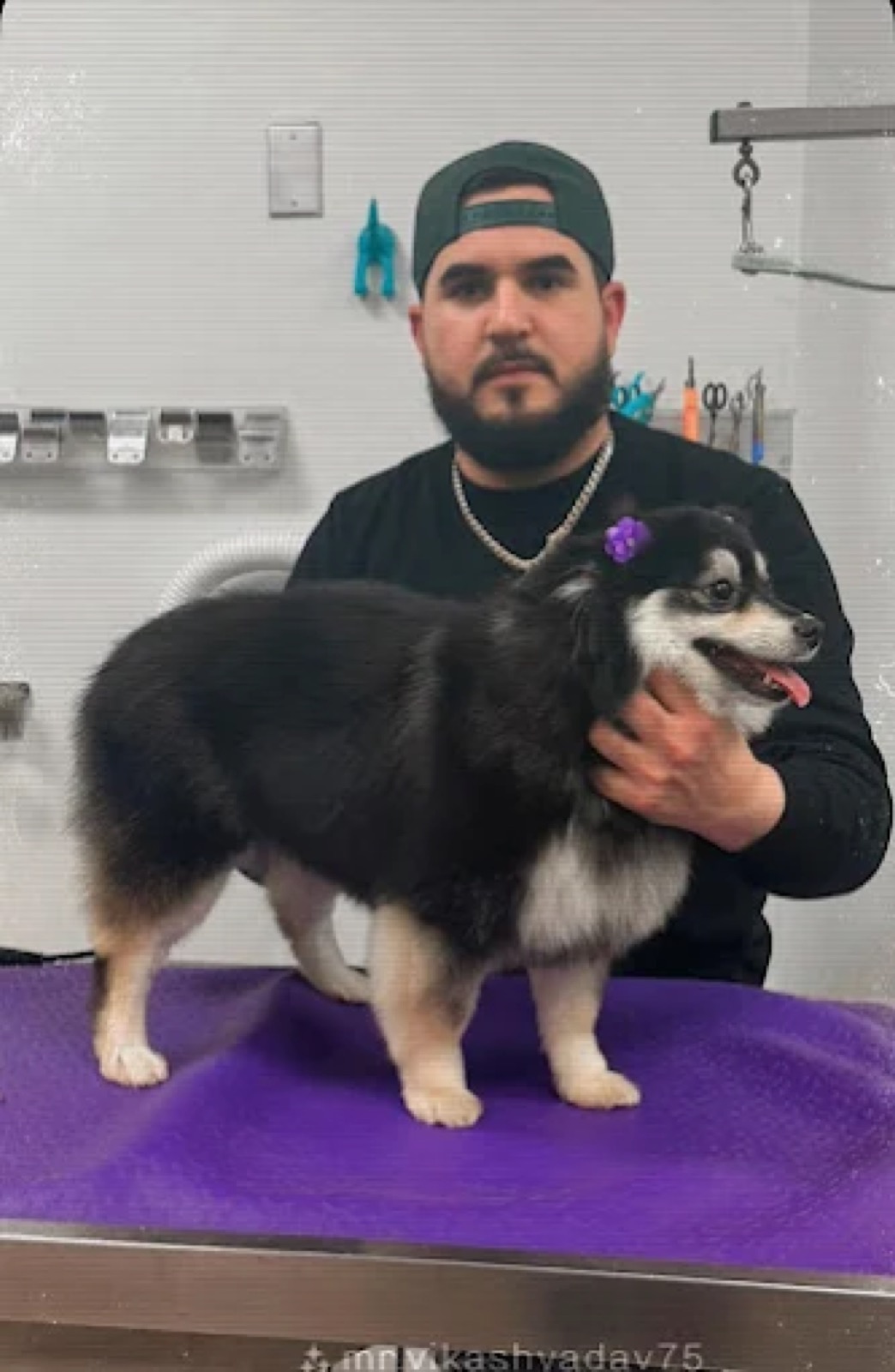
Some dogs know exactly where they are going the moment the car pulls into the Shopping Center del Sedano. The panting starts, the legs go stiff, and by the time you reach our door your dog is working very hard to be somewhere else. If that sounds like your dog, you are not alone, and you have not done anything wrong. Nervousness at the groomer is one of the most common things we see, in puppies, rescues, seniors and dogs who have been groomed their whole lives.
We have been grooming dogs in Miami Lakes since 2003, and nervous dogs are a big part of what we do. Over that time we have learned that most anxious dogs can have a calm, safe groom when the people handling them slow down and pay attention. We have also learned that owners can do a lot at home to make grooming day easier.
This guide explains why dogs get nervous at the groomer, how we handle an anxious dog in our salon, what you can do before and between appointments, and when anxiety is something to talk over with your veterinarian.
How to tell your dog is stressed
Stressed dogs do not always look upset. Watch for lip licking, yawning when they are not tired, panting when they are not hot, a tucked tail, ears pinned back, trembling, showing the whites of the eyes, refusing a treat they usually love, or trying to hide behind your legs. A dog who goes stiff and still is often more stressed than a dog who wiggles and whines.
Why some dogs dread grooming
From a dog's point of view, a groom asks a lot. Someone lifts them onto a raised table, holds their paws, handles their face and ears, touches the area under their tail, sprays them with water and runs loud tools close to their head. Most of those are exactly the things dogs are least comfortable having done to them. It makes sense that some dogs find it overwhelming.
The common reasons we see include:
- Not enough handling early on. Puppies who never got used to having their paws, ears and mouth touched often grow into adults who find grooming strange and uncomfortable.
- A bad past experience. A rough groom, a nail cut too short, or a painful session working through mats can stick with a dog for a long time.
- Noise. Dryers and clippers are loud and close. Sound-sensitive dogs, including many who panic during thunderstorms and fireworks, often struggle with this part most.
- Pain. A dog with sore joints, an ear infection, irritated skin or a mat pulling at the skin has a very good reason to resist being handled. Sometimes what looks like a behavior problem is a comfort problem.
- Separation. Some dogs are fine with the groom itself and anxious about being away from you.
- The car ride. For dogs who get carsick or connect the car with the vet, the stress starts before they ever reach us.
- An unknown history. Rescue dogs may have had experiences nobody knows about, and they can react strongly to things that seem harmless.
Most nervous dogs have more than one of these going on. Knowing which ones apply to your dog helps both of us plan the groom.
How we handle a nervous dog
The biggest advantage we can offer an anxious dog is that we groom one dog at a time. Your dog is not dropped into a busy room full of barking dogs and unfamiliar staff. The people who answer the phone are the people who groom your dog, and there is no rotating crew passing your dog from hand to hand. For a nervous dog, fewer faces and less noise make a real difference.
We start slow
We give a nervous dog a minute before we begin. A few sniffs, a calm voice, and the easy parts first. For many dogs that means some gentle brushing on the back and sides before we move to feet, face or ears. Small wins early help a dog settle into the rest of the groom.
Breaks are part of the plan
A groom does not have to be one long, nonstop push. If a dog is getting overwhelmed, we stop, let them calm down, and pick up again. Stressed dogs often recover quickly when they get a moment, and a groom with pauses usually goes better than one that keeps pressing on.
We adjust what we do
Sometimes the kindest groom for a nervous dog is a simpler one, especially on a first visit. A bath, nail trim, ear cleaning and a tidy around the face and feet can be a good start, and the full haircut can come once the dog is more comfortable with us. We would rather build trust over a few visits than force a complete groom on a dog who is not ready for it.
We tell you the truth
If your dog had a hard time, we will tell you, and we will tell you what we think would help next time. If we ever feel a groom cannot be finished safely, we will stop and call you. A half-finished groom is far better than a frightened or injured dog.
What you can do at home
Owners can do more to help a nervous dog than almost anything we do on the day. A few minutes of practice each day makes grooming feel familiar instead of strange.
Handle paws, ears and mouth every day. While your dog is relaxed on the couch, gently hold a paw for a second and give a treat. Touch the ears, lift a lip, run your hand down the tail. Keep it short and pleasant. Over a few weeks your dog learns that being handled is normal and that good things follow.
Brush in short sessions. A few minutes of gentle brushing with treats teaches your dog that the brush is no big deal. It also keeps the coat free of tangles, which makes the actual groom far more comfortable. More on that below.
Get them used to sounds. Run a hair dryer on low in another room while you hand out treats, then move it a little closer over several days. An electric toothbrush held near the paw, without touching the nails, can help a dog get used to the buzz of grooming tools.
Practice standing still. Have your dog stand on a sturdy surface that does not slide for a few seconds at a time, with treats. A dog who is comfortable standing still is a dog who is easier and safer to groom.
Make the car fun. Short car rides that end somewhere good, like a walk at the park or a visit to a friend, help break the link between the car and stress.
If you have a puppy, now is the best time to do all of this. Our guide to a puppy's first grooming walks through how to set a young dog up for a lifetime of easy grooms.
On grooming day
Take a walk first. A dog who has had some exercise and a potty break arrives calmer than a dog who has been cooped up all morning. In our summer heat, keep it early and short, and cool the car down before your dog gets in. A hot car adds stress before you ever reach us.
Keep the goodbye short. A long, emotional goodbye tells your dog something is wrong. A calm, quick handoff and a cheerful "see you soon" works better for most dogs. Many dogs settle within a few minutes of their owner leaving.
Skip the big meal. A light meal earlier in the day is fine. A full stomach on a nervous or carsick dog is not.
Tell us everything. When you book, tell us what scares your dog, what has gone wrong before, where they do not like to be touched, and what calms them down. A note like "hates having her back feet touched" or "panics at the dryer" helps us plan the whole groom. The more we know, the better we can help.
Matting makes anxiety worse
There is a direct connection between a dog's coat and how a groom feels to them. A dog who arrives with a brushed, tangle-free coat gets a quicker, more comfortable groom. A dog who arrives matted needs more time on the table, and working through tight mats can be uncomfortable even when it is done carefully. For a nervous dog, that is a bad combination. One hard groom can make the next one harder.
The way to break that cycle is to keep the coat in good shape between visits, with regular brushing at home and a steady grooming schedule. Our guide to matting prevention explains the brushing technique that keeps a coat open all the way to the skin.
We are groomers, not vets
Most nervous dogs improve with patience, practice and a steady routine. But some anxiety goes beyond what grooming can fix. If your dog panics to the point of heavy drooling, vomiting, losing bladder control, trying to bite, or hurting themselves trying to escape, please talk with your veterinarian. Your vet can check for pain that may be behind the fear and discuss whether anxiety support is right for your dog. Never give your dog any calming product or medication without your vet's guidance, and if your vet prescribes something for grooming days, tell us when you book.
Regular visits make it easier
Nervous dogs do best with familiar people and a predictable routine. A dog who sees the same groomers every couple of weeks learns the room, the sounds and the hands. A dog who comes in twice a year meets what feels like a brand new experience every time, usually with a tangled coat and long nails that make the visit harder.
That is one reason many families with anxious dogs choose the Paws Membership. Members can come in as often as every week or every two weeks, always see the same groomers, and get priority scheduling. For dogs who find the car ride the hardest part, members also have pickup and drop-off and at-home grooming across Miami Lakes, Pembroke Pines, Miramar and Hialeah.
The short version
Lots of dogs are nervous at the groomer, and most of them can learn to handle it. The causes are usually a mix of unfamiliar handling, loud tools, past bad experiences and sometimes pain. We groom one dog at a time, start slow, take breaks, and adjust the groom to what your dog can handle that day. At home, handle paws, ears and mouth daily, brush in short positive sessions, and get your dog used to sounds and car rides. Walk them before the appointment, keep the goodbye short, and tell us everything. If the fear is extreme or brand new, talk with your vet.
If your dog has had a hard time at other groomers, call us at 305-690-7137 or send a WhatsApp to 305-619-9784 and tell us about it. We will plan the first visit around your dog.
Frequently asked questions
Why does my dog shake at the groomer?
Shaking is usually a sign of stress. Common causes include unfamiliar handling, loud dryers and clippers, being away from you, a bad past experience, or discomfort from pain or mats. Some dogs also shake simply because they are wet and a little chilly after the bath. Most nervous dogs get calmer with slow handling, short breaks and regular, familiar visits.
Should I give my dog something to calm them before grooming?
Only if your veterinarian recommends it. Please do not give your dog any calming product, supplement or medication on your own. Your vet can check for pain that may be causing the fear and decide whether anxiety support makes sense for your dog. If your vet prescribes something for grooming days, tell us when you book.
How can I get my puppy used to grooming?
Start at home as early as you can. Handle paws, ears and mouth every day with treats, brush in short sessions, and let your puppy hear sounds like a hair dryer from a distance before bringing it closer. Short, positive first visits to the groomer help too. Puppies who learn early that handling is normal usually grow into dogs who are easy to groom.
What if my dog snaps or bites during grooming?
Tell us before the appointment so we can plan for it. We go slow, start with the easy areas and give breaks, which helps many dogs who snap out of fear. If we feel a groom cannot be finished safely, we will stop and call you rather than push through. A dog who suddenly starts snapping when touched should also see the vet, since pain is a common cause.
Have a nervous dog?
Tell us about your dog when you book. We groom one dog at a time, start slow and build trust visit by visit.