
Coat Care
Why Dogs in Florida Shed All Year, and What Actually Helps
Up north, dogs shed hard twice a year. In Miami Lakes, the hair never seems to stop. Here is why Florida dogs shed all year, what a deshedding bath and good brushing can do, and when to call your vet.
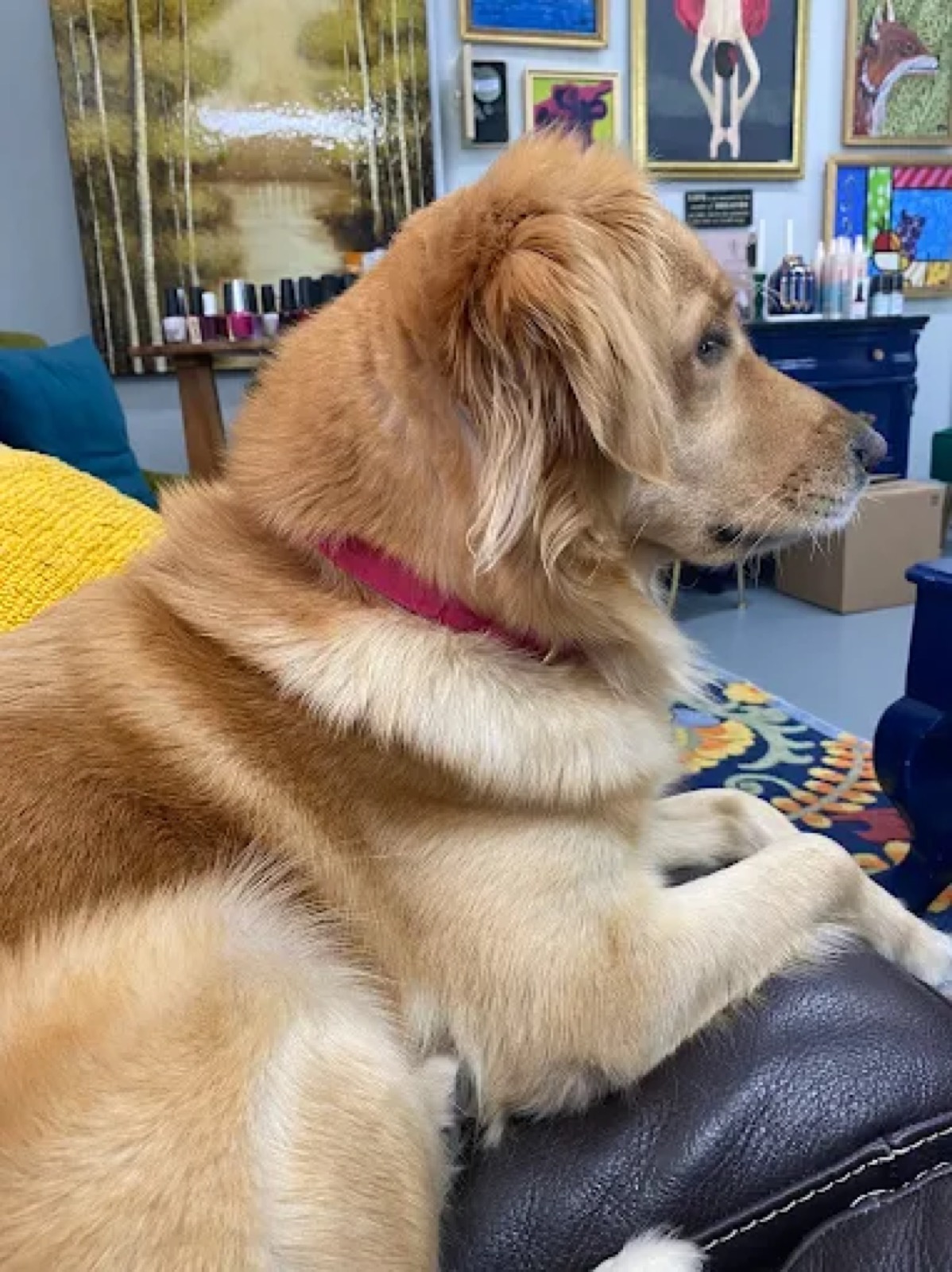
Owners who move to South Florida from up north often tell us the same thing a few months in. Back home, their dog shed hard twice a year, in spring and in fall, and the rest of the time the house stayed fairly clean. Here, the shedding never seems to stop. There is a steady drift of hair on the couch, tumbleweeds of undercoat under the dining table, and a fresh layer on every pair of black pants.
That is not your imagination, and it does not mean something is wrong with your dog. It is one of the most common coat questions we hear at our Miami Lakes salon, and after more than twenty years of grooming local dogs, we can tell you it is normal for a lot of dogs in our climate. The steady shedding is not going away. What you do control is how much of that hair comes out in a brush or at the salon instead of on your floor.
This guide explains why Florida dogs shed the way they do, which coats shed the most, what a deshedding bath and a good brush-out actually accomplish, why shaving is not the answer, and the signs that the problem is not shedding at all and your vet should take a look.
Normal shedding or something else?
Normal shedding is loose hair that comes out evenly, especially when you brush, while the skin underneath looks calm and the coat still looks full. Call your vet if you see bald or thinning patches, red, flaky, or greasy skin, sores or scabs, a strong odor, constant scratching or licking, or shedding that suddenly gets much worse along with changes in energy, appetite, or weight.
Why Florida dogs never get a "shedding season"
Many dogs, especially double-coated breeds, are built to shed on a seasonal schedule. As the days get longer and warmer, they drop the thick undercoat they grew for winter. As the days get shorter and cooler, they shed again to make room for a heavier coat. In places with real seasons, that produces two big, dramatic coat blows a year with quieter stretches in between.
South Florida scrambles that schedule. We do not have a real winter, so the temperature cues are weak. Most of our dogs also spend a good part of the day indoors under air conditioning and artificial light, where temperature and light barely change from month to month. Without strong seasonal signals, many dogs settle into shedding a moderate amount all year instead of shedding heavily twice. You may still notice bigger bursts at certain times, but there is rarely a long break.
Add our humidity and the frequent baths and swims that come with Florida life, and loose coat that would have drifted out slowly tends to come out in clumps whenever your dog gets wet, shakes, or rolls on the rug. If it feels like you are vacuuming more here than you ever did up north, you probably are.
Which dogs shed the most
Double-coated breeds
Golden Retrievers, Labradors, German Shepherds, Huskies, Pomeranians, Corgis, Australian Shepherds, and many other breeds have two layers of coat. The outer guard hairs are longer and coarser. Underneath sits a soft, dense undercoat. That undercoat is where most of the shedding comes from, and it is also the layer that packs down into felt-like clumps if it is not brushed out. Our guide to Golden Retriever grooming and deshedding walks through what that looks like on one of the most popular double coats in the neighborhood.
Short, smooth coats
Beagles, Pugs, Boxers, and other short-coated dogs surprise their owners. The coat looks low maintenance, but those short, stiff hairs fall out constantly and weave themselves into fabric. Regular brushing with the right tool makes a visible difference even on these dogs.
"Low-shedding" curly and silky coats
Poodles, doodles, Bichons, Shih Tzus, Yorkies, and Maltese are often called non-shedding. They do lose hair, but the loose hair tends to get caught in the surrounding coat instead of landing on your floor. That sounds like a win until it turns into matting. With these coats, the job is brushing the trapped hair out before it knots against the skin.
What a deshedding bath at the salon actually does
When people talk about a deshedding bath, they mean a bath, dry, and brush-out built around getting the loose undercoat out. Every one of our services starts with a bath and brush, and for heavy shedders, that brush-out is the main event.
Here is why a professional bath moves so much hair. Warm water and a thorough wash loosen dead undercoat that has been hanging on. A careful, complete dry pushes a lot of that loose coat out. Then a long, patient brush-out, working section by section down to the skin, pulls out the undercoat that is ready to go. On a heavy shedder, a single visit often removes a pile of undercoat that would otherwise have spent the next few weeks drifting around your house.
Drying matters more than people realize. In our humidity, a dense undercoat that is left damp can stay wet against the skin for hours, and trapped moisture is how irritation and hot spots get started. Getting a thick coat dry all the way down is one of the most useful things a professional groom does for a Florida double coat.
What a deshedding bath cannot do is stop shedding. The hair that is ready to fall out comes out at the salon instead of on your couch, and the coat underneath is healthier for it. A few weeks later, more hair is ready, and the cycle continues. That is why the rhythm matters more than any single visit.
Shaving does not stop shedding
When the hair is everywhere, shaving the dog feels like an obvious fix. It is one of the requests we talk owners out of most often. A shaved dog still sheds. The hairs that fall out are simply shorter, and short, prickly hairs can be even harder to get out of furniture and clothes.
For double-coated dogs, shaving can also cause real problems. The coat may grow back unevenly, slowly, or with a patchy texture, and the outer coat that shields the skin from sun goes along with the undercoat. We go through the full reasoning in our article on whether you should shave a double-coated dog. For most of these breeds the answer is no. Thorough deshedding gets you the comfort and the cleaner house without the risks.
Brushing at home: where the real difference is made
The salon visit clears the backlog. The brushing you do at home in between decides how much hair ends up on your floor. A few basics make the job faster and more effective.
- Use tools that reach the undercoat. For double coats, an undercoat rake and a slicker brush, followed by a metal comb, do most of the work. For short coats, a rubber curry-style brush or a bristle brush lifts loose hair. Curly and silky coats need a slicker brush and a comb that reach all the way to the skin.
- Brush in sections, not across the top. Skimming the surface makes the outer coat look neat while the loose undercoat stays packed underneath. Part the coat and brush a small section at a time from the skin outward. Groomers call this line brushing.
- Check your work with a comb. If the comb glides from skin to tip, that section is done. If it snags, keep going.
- Brush outside when you can. A few minutes on the patio keeps the cloud of undercoat out of the house.
- Match the frequency to the coat. Heavy shedders do best with brushing several times a week, and daily when the coat is really letting go. Short coats are happy with a quick brush a couple of times a week.
Our step-by-step guide to brushing your dog between grooms breaks down tools and technique by coat type.
Bathing at home without making it worse
Some owners try to bathe the shedding away at home every few days. Too much bathing can dry out the skin, and dry, irritated skin makes a dog itchy and the coat look worse. If you bathe at home, use a shampoo made for dogs, rinse until the water runs completely clear, because leftover shampoo itches, and then dry the coat thoroughly. A quick towel-dry that leaves a thick undercoat damp is a problem in our humidity, especially if your dog goes straight to a dog bed or crate to nap.
The same goes for the pool, the lake, and the afternoon rain. A rinse with fresh water after swimming and a real effort to get the coat dry afterward go a long way for a heavy-coated Florida dog.
Diet, skin health and when shedding is not normal
A healthy coat starts from the inside. Diet, overall health, and skin condition all affect how much a dog sheds and how the coat looks. A dog on a complete, balanced diet usually has a shinier coat and calmer skin than a dog whose diet is missing something. Still, food and supplements are a conversation for your veterinarian, not your groomer. If you wonder whether your dog's diet is affecting the coat, ask your vet before switching foods or adding anything.
Heavy hair loss can also be a symptom. Allergies, fleas and other parasites, skin infections, hormonal conditions, stress, and other health problems can all cause hair loss that looks like ordinary shedding at first glance. The difference is usually in the skin and the pattern. Normal shedding thins the loose undercoat evenly. Problem hair loss leaves patches, irritated skin, or a coat that looks thin and dull everywhere.
We are groomers, not vets
Because we get our hands on every inch of the coat, we often notice hair loss, skin changes, or flea dirt before an owner does, and we will always tell you what we see. But we cannot diagnose why a dog is losing hair, and we do not recommend medications, supplements, or diets. If you notice bald spots, red or scaly skin, sores, constant scratching, a bad smell, or a sudden change in how much your dog sheds, especially with changes in appetite, energy, or weight, please see your veterinarian.
The rhythm that keeps the hair under control
In our experience, the households that keep shedding under control in South Florida all have the same thing: a steady routine of brushing at home a few times a week, plus a professional bath and brush-out on a regular schedule so the undercoat never builds up for long. For most heavy shedders, that means a visit every four to six weeks at minimum, and many families come more often when the coat is really letting go.
That kind of rhythm is a big part of why heavy-shedder families join the Paws Membership. Members can come in as often as every week or every two weeks, with priority scheduling and the same groomers every time, so the people working on your dog's coat know exactly how it looked last visit. More frequent deshedding means less hair in the house, less undercoat packing down into mats, and a dog who feels lighter in our heat.
The short version
Dogs in South Florida shed all year because our mild winters and indoor air conditioning blur the seasonal cues that tell a coat when to drop. Double-coated breeds shed the most, short coats shed more than they look like they would, and curly or silky coats trap their loose hair, which turns into mats. A professional bath, thorough dry, and brush-out removes a lot of loose undercoat at once, and regular brushing at home with tools that reach the skin keeps it from building back up. Do not shave to stop shedding, because it does not work and can damage a double coat. Dry the coat fully after baths and swims. And if you see bald patches, irritated skin, or a sudden change, call your vet.
If your dog is leaving more of themselves on the couch than you would like, bring them by. We will get the loose coat out, tell you honestly how the skin and coat look, and help you set up a rhythm that works for your dog and your home.
Frequently asked questions
Why does my dog shed so much in Florida?
Many dogs shed on cues from changing daylight and temperature. South Florida has no real winter, and most dogs spend a lot of time indoors in air conditioning, so those cues stay weak. Instead of two big seasonal sheds, many local dogs shed a steady amount all year. Humidity, frequent baths, and swimming can also make loose coat come out in noticeable clumps.
Will shaving my dog stop the shedding?
No. A shaved dog still sheds, the hair is just shorter, and short hairs can be harder to get out of furniture. For double-coated breeds, shaving can also lead to patchy or slow regrowth and removes the coat's protection from the sun. A thorough deshedding bath and regular brushing are the better way to cut down on loose hair.
How often should a heavy shedder be groomed?
For most heavy shedders in our climate, a professional bath and brush-out every four to six weeks is a good baseline, with brushing at home several times a week. Many owners come in more often when the coat is really letting go. Dogs on our Paws Membership can come in as often as every week or every two weeks.
When is shedding a sign of a health problem?
Talk to your vet if you see bald or thinning patches, red, flaky, or greasy skin, sores, a strong odor, constant scratching or licking, or a sudden increase in shedding, especially along with changes in appetite, energy, or weight. Normal shedding comes out evenly and leaves calm skin and a full-looking coat. We will always tell you if we notice something unusual, but finding the cause is your vet's job.
Too much hair on the couch?
Bring your dog in for a thorough bath and brush-out. We will get the loose coat out, check the skin underneath, and help you set up a rhythm that keeps shedding under control.