
Seasonal
Flea and Tick Season in South Florida Never Really Ends
Up north, the first freeze kills the fleas. In Miami Lakes, the first freeze never comes. Here is how to check your dog at home, what a flea bath actually does, and the moments when the right call is your vet, from a salon that has been checking local coats since 2003.
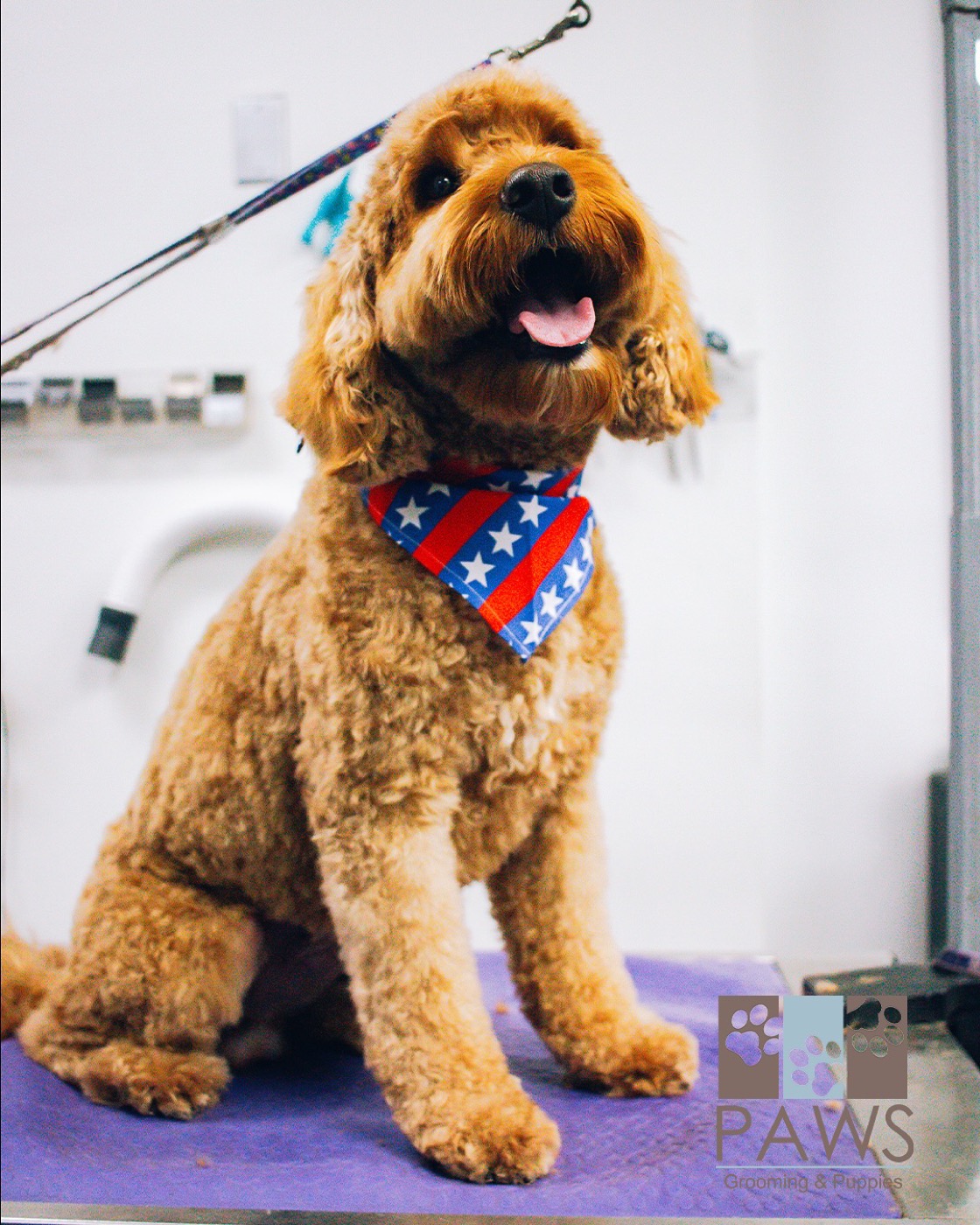
There is a moment every groomer knows. The water hits a thick coat at the tub, the suds start to work, and suddenly you can see what the fur was hiding. Sometimes it is beautiful healthy skin. Sometimes it is a family of fleas that the owner had no idea was there. It happens to careful, loving owners all the time, because a dense coat is very good at keeping secrets.
We have been grooming dogs in Miami Lakes since 2003, and if there is one thing South Florida has taught us, it is this: there is no off-season here. Not for heat, not for humidity, and definitely not for fleas and ticks. The advice written for the rest of the country tells owners to "gear up for flea season in spring." That calendar does not exist in Miami-Dade. Our climate keeps these pests active in January just like July.
This guide covers what that means for your dog in practical terms. How to do a real flea check at home, where ticks like to hide, what a flea bath at the salon can and cannot do, and the line where grooming ends and veterinary care begins. We will be straight with you about that last part, because we always are.
The two-minute flea check
Part the fur at the base of the tail and along the lower back and look at the skin, not the coat. Watch for fast little brown insects or black "pepper" specks. Comb some specks onto a damp white paper towel. If they smear reddish brown, that is flea dirt, and flea dirt means fleas. Also run your fingers over the ears, neck, armpits, and between the toes feeling for small bumps, which is how most ticks are found.
Why South Florida is paradise for fleas
Fleas thrive in warmth and humidity. Their eggs and larvae develop fastest in exactly the conditions Miami serves up almost every day of the year: temperatures in the 70s and 80s and air thick with moisture. In colder states, winter knocks the outdoor flea population down to almost nothing and gives dogs and owners a break. Here, the break never comes. The shaded, humid mulch beds, the grass by the lake paths, the sandy corners of the yard, all of it stays comfortable for fleas year-round.
Ticks are the same story. They wait in taller grass and brush for a warm body to walk past, and our warm winters mean they keep waiting and keep finding. Dogs who spend time in yards, parks, and green spaces around Miami Lakes, Hialeah, and the rest of northwest Miami-Dade can pick up a tick in any month of the year.
This is why local veterinarians recommend year-round prevention in South Florida rather than a seasonal product. It is also why we build a pest check into every groom, in December just like in June. Treating fleas as a "summer thing" is probably the single most common mistake we see new-to-Florida owners make.
How to check your dog at home
You do not need any special skill to catch fleas early. You need two minutes, decent light, and you need to know where to look.
Start at the base of the tail. The lower back, right where the tail meets the body, is flea headquarters on most dogs. Part the fur with your fingers so you can see skin. Live fleas are small, brown, fast, and allergic to daylight, so you often only get a glimpse before they dive back into the coat.
Look for flea dirt, not just fleas. Most of the time you will not see the insect itself. You will see what it leaves behind: tiny black specks scattered on the skin that look like ground pepper. Here is the trick groomers use. Comb a few of those specks onto a damp white paper towel. Flea dirt is digested blood, so it smears reddish brown on the wet towel. Ordinary dirt stays black or gray. A reddish smear means your dog has fleas, even if you never saw one move.
Use a flea comb on suspicion. A fine-toothed flea comb pulled slowly through the coat at the tail base, the neck, and behind the ears will trap fleas and flea dirt against the teeth. On light-colored dogs you can often spot trouble at a glance. On dark or thick coats, the comb does the seeing for you.
Feel for ticks with your hands. Ticks attach where the skin is thin and protected: in and around the ears, under the collar, in the armpits, around the eyes, between the toes, and under the tail. You usually find them by touch, as a small firm bump that was not there before. Make a slow hands-on sweep part of your routine after park days and yard time.
Watch the scratching. A dog who suddenly scratches, chews at the base of the tail, or seems restless in their skin is telling you something. Flea saliva is irritating to every dog and genuinely miserable for the many dogs who are allergic to it. For those dogs, even one or two fleas can set off intense itching and raw spots. Do not wait until you see an infestation to act on a behavior change.
What we see at the salon, and why grooming helps
Groomers end up being an early warning system for fleas and ticks, for a simple reason: we get our hands on every inch of your dog, wet, under bright light, on a raised table. Things that are invisible on a dry, fluffy dog at home become obvious in the tub. That is one of the quiet benefits of a regular grooming rhythm. Problems get spotted while they are small.
At drop-off and during the bath we are checking the classic spots: tail base, groin, armpits, ears, and between the toes. If we find fleas or a tick on your dog, we will tell you plainly, the same day, so you can loop in your vet and deal with your home before things multiply. We would much rather have a slightly awkward conversation than send a dog home to a growing problem. There is no judgment in it either. In this climate, fleas find even the best-kept dogs.
A regular groom also keeps the coat in a condition where problems cannot hide. A matted coat is the worst-case scenario here. Mats hold moisture and heat against the skin and create a dense roof that hides fleas, flea dirt, and even attached ticks completely. We have found things under mats that owners could never have seen at home. If your dog's coat mats easily, our guide to matting prevention explains the brushing habit that keeps the coat open, healthy, and easy to inspect.
What a flea bath does, and what it does not do
When owners find fleas, the first call is often to us, and we are glad to help. But we want you to understand exactly what a flea bath does so you spend your money wisely.
A flea bath does one job well: it removes the fleas that are on your dog right now. Your dog leaves the tub clean, relieved, and far more comfortable, and the thorough brushing and combing that come with a full groom pull out flea dirt and loose coat along with it. For an itchy, crawling dog, that same-day relief is real and worth having.
Here is what a flea bath cannot do. It cannot protect your dog tomorrow. It has no lasting effect once your dog is dry, so a dog who goes back to an untreated home or yard picks up new fleas within days. And it does nothing about the bigger problem, which is that the fleas on your dog are only a small fraction of the infestation. The vast majority of a flea population lives off the dog, as eggs, larvae, and pupae in carpet, bedding, baseboards, and shady spots outside.
So the honest playbook looks like this. The bath handles today. A vet-recommended prevention product, given consistently and year-round, handles tomorrow. And a serious cleaning handles the house: wash all pet bedding in hot water, vacuum floors, carpets, and furniture thoroughly and empty the vacuum outside, and repeat for a few weeks, because new fleas keep hatching after the adults are gone. Skip any of the three and the cycle usually restarts.
We are groomers, not vets
Flea and tick prevention products are the part of this that actually protects your dog, and choosing one is a medical decision. The right product depends on your dog's age, weight, health, and history, and some dogs need different options than others. Please choose it with your veterinarian rather than grabbing whatever is on the shelf. If your dog has raw skin, hair loss, scabbing, pale gums, or seems unwell, that is a vet visit, not a grooming appointment. We will always tell you when what we are seeing is beyond the tub.
Found a tick? Here is the calm version
Ticks scare owners more than fleas, and understandably so, since they can carry disease. But the response is simple and calm.
If you find an attached tick, skip every folk remedy you have ever heard. No burning matches, no petroleum jelly, no nail polish, no twisting. Those tricks stress the tick and can make things worse. Instead, take fine-tipped tweezers, grip the tick as close to your dog's skin as you can, and pull straight out with slow, steady pressure. Clean the spot with mild antiseptic afterward and wash your hands. A small red bump at the site for a few days is common.
Call your veterinarian if you are not comfortable doing the removal, if part of the tick seems to have stayed behind, if you find several ticks, or if your dog shows lethargy, limping, fever, or loss of appetite in the days or weeks afterward. Those can be signs of tick-borne illness, and only a vet can check for that. When in doubt, make the call. It is never a silly question.
The rhythm is the protection
Everything in this guide gets easier when it is a routine instead of a reaction. A quick flea check after park days. A hands-on tick sweep during couch time. Prevention from your vet given on schedule, every month, all twelve months. And a regular grooming rhythm so the coat stays open and inspectable and a professional set of hands goes over your dog every few weeks. Our guide to how often to groom your dog breaks down the right interval by coat type, and in this climate the answer is steadier than most owners expect.
That steadiness is exactly why many of our families are on the Paws Membership. Members come in weekly with no appointment needed, which in pest terms means a trained eye on your dog's skin and coat every single week of the year. Small problems get caught the week they start, not the month they take over.
The short version
South Florida has no flea season because it is always flea season. Check the base of the tail for pepper-like specks and smear-test them on a damp paper towel. Sweep your hands over ears, armpits, and toes for ticks after outdoor time. Use a flea bath for same-day relief, a vet-chosen prevention product for actual protection, and a hot-water wash and thorough vacuuming to clear the home. Remove ticks with tweezers, close to the skin, straight out. And keep your dog on a regular grooming rhythm so the coat never gets thick or matted enough to hide any of it.
If you think your dog picked something up, or you just want a second set of eyes on the skin and coat, bring them by. We will check the usual hiding spots, tell you honestly what we find, and get your dog clean and comfortable while you and your vet handle the rest.
Frequently asked questions
When is flea and tick season in South Florida?
In Miami and the rest of South Florida, flea and tick season runs all year. Fleas and ticks slow down when winters get cold, and our winters never do. That is why local vets recommend year-round prevention here, not just a product you use in the summer. Activity does climb in the hot, rainy months, but there is no month when you can safely stop paying attention.
Will a flea bath get rid of my dog's fleas?
A flea bath removes the fleas that are on your dog that day, and it leaves the coat clean and much more comfortable. What it cannot do is protect your dog going forward or clear the eggs and larvae living in your home and yard, which is where most of the flea population actually is. Pair the bath with a vet-recommended prevention product and a good cleaning of bedding and floors, or the fleas simply come back.
How do I check my dog for fleas at home?
Part the coat over the lower back near the base of the tail and look at the skin. You are looking for fast-moving brown insects or tiny black specks that look like pepper. Comb a little of that black debris onto a damp white paper towel. If the specks smear reddish brown, that is flea dirt and your dog has fleas even if you never see one moving. A fine-toothed flea comb makes the whole check easier.
What should I do if I find a tick on my dog?
Do not squeeze it, burn it, or cover it with anything. Use fine-tipped tweezers, grip the tick as close to the skin as possible, and pull straight out with steady pressure. Clean the area afterward and keep an eye on it. If you are not comfortable removing it, if the head seems stuck, or if your dog seems unwell in the days that follow, call your veterinarian. Ticks can carry disease, so when in doubt let your vet look.
Want a professional set of eyes on that coat?
Every groom with us includes a hands-on check of the spots where fleas and ticks hide. Bring your dog by and we will tell you honestly what we find.