
Seasonal
Fireworks Week: Keeping Your Dog Calm, Safe and Easy to Find
Fireworks around here start days before the Fourth and keep going long after. Here is the plan we give friends: ID that works, a collar that fits, a safe room, a call to the vet for anxious dogs, and a coat and paw check the morning after.
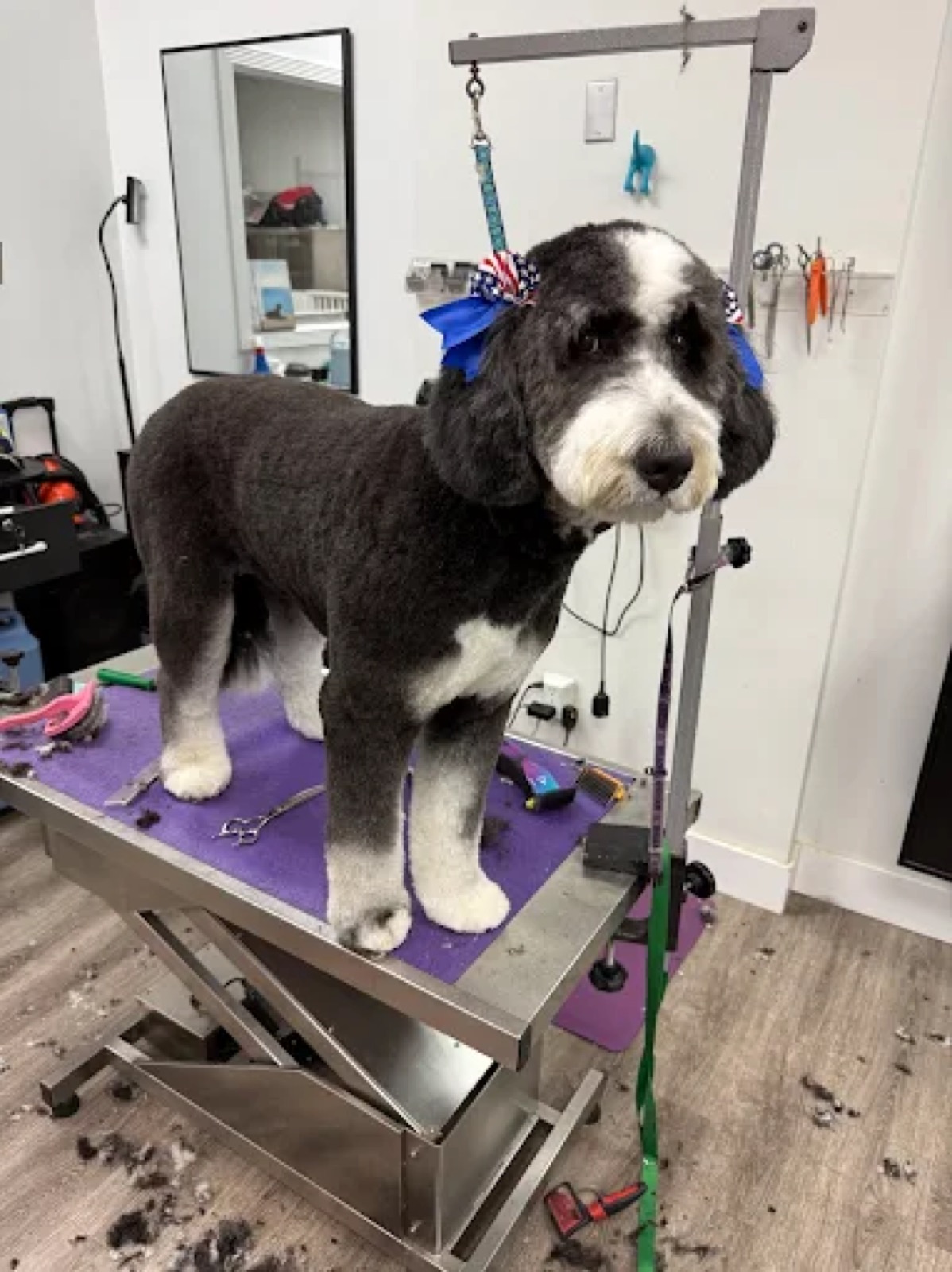
Fireworks in Miami Lakes are not a one-night event. The first bangs usually start a few days before the Fourth, the big shows light up the sky on the night itself, and the leftovers keep popping off in backyards and parking lots for days afterward. This year is the country's 250th birthday, so it is fair to expect more of everything. For a lot of dogs, that adds up to a full week of noise they cannot understand and cannot get away from.
We have been grooming dogs in Miami Lakes since 2003, and every July we hear the same stories at drop-off. The dog who spent the night shaking behind the toilet. The one who dug at the back door until the paint came off. The one who slipped a loose collar in the front yard and ran. Most of those stories end fine. Some end with a long night of driving around the neighborhood with a flashlight. Nearly all of the bad endings come down to a few things that are easy to fix ahead of time.
This guide is the plan we would give a friend: how to make sure your dog can be identified and returned if they bolt, how to set up the house before the noise starts, what to do during the worst of it, and the coat and paw check worth doing the morning after. We will also be clear about the part that belongs to your veterinarian, because a dog with real noise anxiety deserves more than a closed door and a fan.
The fireworks-week checklist
Check that your dog's tag has a phone number you actually answer. Confirm the microchip is registered to you with current contact details. Fit the collar so two fingers slide under it, no more. Walk and potty your dog before dusk, on a leash, even in your own yard. Set up a quiet interior room with the blinds closed and some steady background sound. If your dog has panicked in past years, call your vet this week, not on the afternoon of the Fourth.
Why fireworks hit dogs so hard
Dogs hear far better than we do, and fireworks are loud even to us. But volume is only part of it. What really unsettles dogs is that fireworks are sudden, irregular and impossible to locate. A thunderstorm builds. A fireworks night is quiet, then a crack from one direction, then a string of booms from another, then silence, then another crack. A dog has no way to know when it will end or where it is coming from, so many of them stay on high alert the entire time.
Fear looks different from dog to dog. Some pant and pace. Some tremble, drool, yawn over and over, or tuck their tail and try to squeeze into the smallest space in the house. Some refuse food they normally love. And some go straight into escape mode, which is the dangerous one. A dog in that state is not thinking about the gate latch or the busy road on the other side of the fence. They are trying to get away from the noise, and they will push through screens, squeeze under fences and back out of collars to do it.
Dogs also do not reliably get used to fireworks just because they have heard them before. For many dogs it gets worse with each year, not better. So if your dog was "a little nervous" last July, plan as though they will be more nervous this time.
ID first: tag, microchip and a collar that fits
If your dog does get loose, three small things decide how fast they come home. Take care of all three before the noise starts.
A tag with a working phone number. Look at your dog's tag today. Is the number on it a phone you still have? Is it legible, or worn smooth? A neighbor who finds your dog at 11pm is far more likely to read a tag and call you than to drive to a vet's office to scan for a chip. The tag is the fastest route home, so make sure it says the right thing.
A microchip that is registered to you. A microchip is only as good as the information it points to. Plenty of chips are still registered to a breeder, a previous owner, or an old phone number from three moves ago. Find the chip number in your dog's records, check the registration, and update it if anything has changed. If you are not sure your dog's chip still reads, ask your vet to scan it at the next visit. It takes seconds.
A collar that actually fits. The standard is two fingers: you should be able to slide two flat fingers between the collar and your dog's neck, and no more. Too tight and it rubs. Too loose and a frightened dog can back right out of it. Here is the groomer's angle on this one. A collar that fit perfectly over a full, fluffy coat can be loose the day after a haircut, because the neck just got noticeably smaller. If your dog has a groom on the calendar before the Fourth, recheck the collar when you get home. For walks during fireworks week, a well-fitted harness with the leash clipped to it gives you a second point of contact if your dog panics.
One more thing while you are at it: take a clear, current photo of your dog, standing, in good light. If your dog has just been groomed, the fluffy photo on your lock screen may not look much like the dog who ran off. A recent photo makes a lost-dog post far more useful to the people reading it.
Set up the house before the noise starts
The goal for the big nights is simple. Your dog should be inside, secure and as comfortable as possible before the first firework goes off, and they should stay that way until the neighborhood goes quiet.
- Exercise and potty early. Get a good walk in during the morning, and do the last potty break before it gets dark. In July that means planning around the heat as well, so early morning is usually the better time for the long walk.
- Leash every trip outside. Even in a fenced yard. Even for a quick potty break. Fireworks in residential neighborhoods start whenever someone feels like lighting them, and a single bang at the wrong moment sends a lot of dogs over or under a fence.
- Pick a quiet room. An interior room, a bathroom or a walk-in closet with the door open often works better than a room with big windows. Close the blinds so the flashes are less visible. Put down familiar bedding. If your dog is crate trained and likes the crate, drape a cover over part of it and leave the door open so it stays a den, not a trap.
- Add steady background sound. A fan, the TV or music at a normal volume softens the sharp edges of the booms.
- Close off the exits. If you are hosting, people will be in and out of the front door and the sliding door to the patio all night. Put your dog in their quiet room before guests arrive, with a note on the door if needed. Keep pool gates closed too. A panicked dog running blind does not always see the water.
- Leave your dog home from the show. Even calm, social dogs can come apart at a big public fireworks display. Keep them home, inside, and never in a parked car.
During the worst of it
It is fine to comfort your frightened dog. The old advice that petting a scared dog "rewards the fear" has fallen out of favor. Fear is an emotion, not a trick your dog is performing for attention. If your dog wants to lean on you, let them. Sit with them, talk in a low, normal voice and keep your own energy calm, because dogs read us closely.
What does not help is forcing it. Do not drag a hiding dog out from under the bed for a cuddle, and never scold a dog for barking, trembling or having an accident during fireworks. Let them choose the spot where they feel safest, as long as it is inside and secure. Offer a long-lasting chew or a stuffed food toy if they will take it, since licking and chewing settle some dogs. If they will not eat, that is fine. Try again once it quiets down.
We are groomers, not vets
For dogs with true noise phobia, the most effective help usually comes from your veterinarian, and it is worth the call. There are behavior plans and medications made for exactly this situation, and only your vet can decide what is safe for your dog's age, health and history. Do not give your dog any human medication or a leftover prescription from another pet. Call your vet a week or more before the Fourth, because some options need a trial run at home and vet offices get very busy right before the holiday.
The morning after: a post-panic coat and paw check
This is the part most owners skip, and it is where a groomer's habits help the most. A dog who spent the night panting, digging, scratching at doors or chewing on a crate can come out of it with small injuries and a coat that took a beating. Give them a once-over the next morning, in good light.
Paws and nails. Look at each foot. Dogs who dig at doors or scramble on tile can crack or tear a nail, scrape a pad or catch a dewclaw. A nail that is split, bleeding or sitting at an odd angle is painful and needs attention from your vet. Short, well-kept nails are less likely to catch and tear in the first place, which is one more reason a nail trim and file is part of every service we offer.
Mouth and face. Dogs who chew at crates or door frames can chip teeth or cut their gums. A quick look along the lips and gums is worth the minute it takes. Bleeding, a broken tooth, or a dog who suddenly will not chew are all reasons to see your vet.
Coat and skin. A stressed dog can drop a surprising amount of loose coat in a single night, and a dog who drooled and panted for hours often wakes up with a soaked chest and neck. In our humidity, damp fur that never fully dries is how mats and that sour, musty smell get started, especially on doodles and long coats. Brush out the loose hair, dry the chest and neck properly, and check under the collar and in the armpits for fresh tangles. Our guide to preventing matting covers the brushing method that keeps those spots clear.
The yard. Before letting your dog out the next morning, walk the yard and pick up any spent fireworks, wrappers or debris that landed over the fence. Used fireworks contain chemicals that are not safe to chew or swallow. If you think your dog ate any, call your vet.
Then watch their behavior for a day or two. Most dogs are back to their usual selves by the next afternoon. A dog who stays withdrawn, will not eat, is limping or seems sore anywhere should see the vet.
Plan the groom around the holiday, not on top of it
If your dog is due, book the groom for the week before the Fourth, not the morning after the loudest night. A rattled dog deserves a quiet day at home, not a car ride and a bath. Grooming ahead also means the nails are short before a week of possible scrambling, the coat is brushed out and easy to keep dry, and you get that fresh photo while your dog looks their best.
We groom one dog at a time, with no rotating crew, so a sound-sensitive dog is not sitting in a loud room full of barking strangers. If your dog is on edge this time of year, tell us when you book and we will plan the visit around it. Families on the Paws Membership get priority scheduling and the same groomers every time, which matters most in weeks like this one, when a familiar pair of hands makes the whole visit easier.
The short version
Fireworks in Miami Lakes last for days, so plan for a week, not a night. Check the tag, update the microchip registration and fit the collar to two fingers, rechecking it after any haircut. Exercise early, leash every trip outside and set up a quiet interior room before dark. Comfort your dog if they want it, never punish fear and keep them home from the shows. Call your vet early if your dog has panicked before. And the morning after, check paws, nails, mouth, coat and the yard before you call it done.
If your dog comes through the week a little worse for wear, with a cracked nail, a damp and tangled coat or just a lot of loose hair, bring them by. We will get them clean, comfortable and back to themselves.
Frequently asked questions
When should I talk to my vet about my dog's fireworks anxiety?
As early as you can, ideally a week or more before the Fourth. If your dog has trembled, hidden, drooled heavily or tried to escape during fireworks or storms before, that is worth a conversation. Some calming plans and medications need a trial run at home, and vet offices fill up right before the holiday. Never give your dog human medication or another pet's prescription.
Is it okay to comfort my dog during fireworks?
Yes. Comforting a frightened dog does not reward the fear. Sit with your dog, speak calmly and let them lean on you if they want to. Just do not force contact or pull a hiding dog out of their safe spot, and never scold a dog for being scared.
Should I get my dog groomed before the Fourth of July?
If your dog is due, the week before is a good time. Nails are short before a week of possible scrambling, the coat is brushed out and easier to keep dry, and you can take a fresh photo in case you ever need one. Avoid booking the morning after a loud night, and recheck the collar after a haircut, since a freshly trimmed neck can leave an old collar loose.
What should I do if my dog runs off during fireworks?
Start searching right away and look close to home first, since many scared dogs hide nearby. Call your microchip registry to report your dog missing, post a clear current photo in local neighborhood groups, and contact Miami-Dade Animal Services and nearby vet offices. Leave a familiar blanket or bed outside your door and keep checking back. The sooner people know to look, the better.
Getting ready for fireworks week?
Book the week before the Fourth so nails are short and the coat is brushed out, and tell us if your dog is sound-sensitive. We groom one dog at a time.