
Breed Guide
Poodle Grooming 101: Cuts, Coat Care and Schedules
Poodles are one of the most rewarding dogs to own and one of the most demanding to keep looking good. Here is everything we tell our poodle families, from the right cut to the right schedule, after grooming Miami Lakes poodles of every size since 2003.
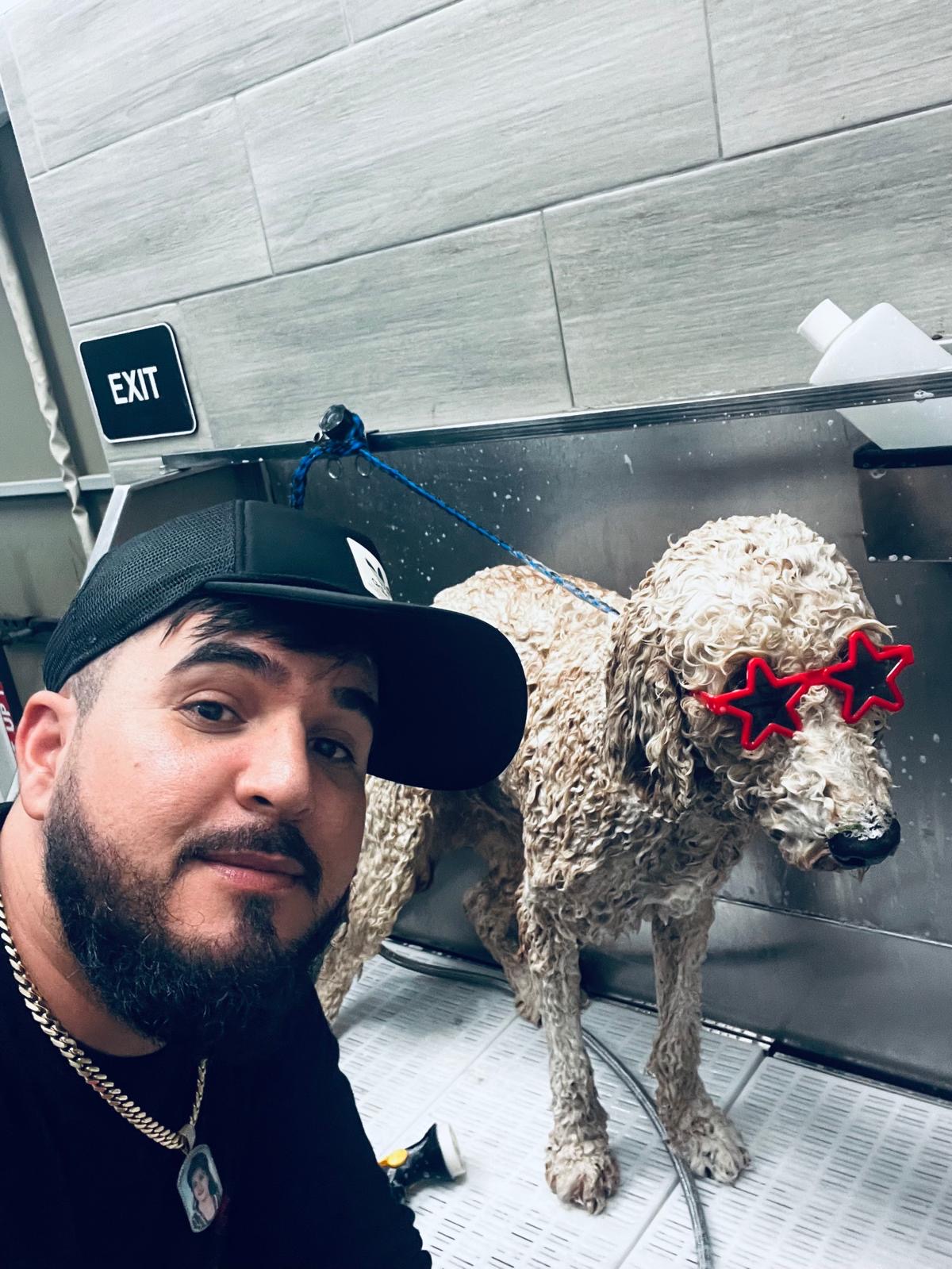
There is a reason poodles have been a favorite for generations. They are smart, affectionate, and they barely shed, which makes them a great fit for homes that want a dog without the hair all over the couch. But here is the part that surprises a lot of first-time poodle owners: that low-shedding coat is also the highest-maintenance coat we work with.
We groom poodles of every size here in Miami Lakes, from tiny toys to big standards, and the coat care is the same story across all three. If you understand how the poodle coat works, the cuts make sense, the schedule makes sense, and the whole thing gets a lot easier. This guide walks you through all of it in plain language.
The quick answer
Plan on a full groom every 4 to 6 weeks. Brush at home with a slicker brush and a comb a few times a week, all the way down to the skin. Keep the body short for our Florida heat, and let your groomer know the look you want before they start. Do those four things and your poodle stays soft, comfortable, and mat-free.
Meet the poodle coat
Almost everything about poodle grooming comes back to one thing: the coat. Once you understand it, the rest of this guide clicks into place.
A poodle's coat is dense, curly, and single-layered, which means there is no soft undercoat underneath like you would find on a Golden Retriever or a Husky. Instead it is one thick layer of tight curls. And unlike most dogs, that coat grows continuously, the way human hair does. It does not reach a certain length and stop. Left alone, it keeps growing.
The coat is also famously low shedding. Poodles do lose hair, every animal does, but instead of dropping it on your floor, those loose hairs get caught in the surrounding curls and stay there. That is the trade most poodle owners happily make. You get a clean house, and in return you take on the brushing and grooming that the coat needs to stay healthy.
So when people say a poodle is "hypoallergenic" or "doesn't shed," what they really mean is that the hair stays in the coat. That is wonderful for your living room. It is also exactly why the coat needs steady attention, because hair that does not fall out has to be brushed out instead.
Why poodle coats mat (and why it happens fast)
A mat is a knot of tangled hair that has packed itself into a tight clump. On a poodle, mats form faster than most owners expect, and it comes down to those three coat features working together.
The curls give loose hair something to grab onto. The low shedding means that loose hair never leaves the coat on its own. And the constant growth means there is always new length adding to the tangle. Add normal daily movement, a little moisture, and a few weeks of skipped brushing, and tight curls turn into solid mats. They love to form in the high-friction spots: behind the ears, under the front legs, around the collar, on the back end, and between the back legs.
Mats are not just a cosmetic problem. A mat pulls on the skin every time your dog moves, which is uncomfortable and sometimes painful. It traps moisture and dirt against the body, which in our humid climate can lead to irritation, hot spots, and skin infections. And a mat hides the skin underneath, so problems can grow without anyone noticing until grooming day.
When a poodle comes in badly matted, the kind choice is usually to clip the coat short and start fresh, because brushing out a tight mat is painful and can damage the skin. Most owners do not want that surprise shave-down. The good news is that it is completely avoidable with a regular schedule and some brushing at home. We go deeper on this in our guide to matting in dogs and how to prevent it, and the same rules that save doodles apply to poodles too.
How often should you groom a poodle?
For most poodles, the sweet spot is a full groom every 4 to 6 weeks. Stretch much past that and the coat starts to outpace what brushing at home can keep up with, and the matting begins.
Where your dog falls in that window depends on a few things. If you keep the coat longer and fuller, lean toward every four weeks, because more length means more to tangle. If you keep it short and you brush regularly, you may be comfortable closer to six. Poodles with thicker, more cottony coats also tend to need the shorter interval. When you are not sure, the shorter end of the range is almost always the easier choice for your dog.
One thing we want to be clear about: the 4 to 6 week rhythm is not us trying to sell more visits. It is what the coat actually needs to stay healthy. A poodle on a steady schedule has quick, gentle, low-stress grooms. A poodle that only comes in "when he looks rough" tends to come in matted, and that is a harder, longer day for the dog. Keeping the rhythm is the kinder path.
Because poodles need such consistent care, they are one of the breeds that benefit most from our Paws Membership. It keeps your dog on a set rhythm, includes weekly visits with no appointment needed, and turns grooming into one simple monthly plan instead of a surprise bill every few weeks. For a coat that never stops growing, having the schedule handled for you takes a lot off your plate.
Toy, miniature, and standard: same coat, different dog
Poodles come in three sizes, and we groom all three. Here is the helpful part: the coat care is essentially identical across them. A toy poodle and a standard poodle have the same kind of curly, continuously growing coat and the same matting risk. The size mostly changes the handling, the time on the table, and the amount of coat to work through.
Toy poodles are small and delicate. They handle quickly, but their fine bones mean we work gently and carefully, especially around the legs and feet. Their coats can be soft and cottony, which tangles easily, so regular brushing still matters even on a little dog.
Miniature poodles are the in-between size and probably the most common poodle we see. They are sturdy, sit well for grooming, and carry enough coat to show off a nice cut without taking all day.
Standard poodles are the big athletes of the group. There is simply more dog and more coat, so a full groom takes longer and the brushing job at home is bigger. Standards in our heat especially benefit from a shorter cut to stay cool and easy to maintain.
No matter the size, the plan is the same: brush to the skin, groom every 4 to 6 weeks, and pick a cut that matches your real-life routine. You can see the full breakdown of what each visit includes on our services page.
Popular poodle cuts, explained in plain terms
Poodle haircuts have a lot of names, and they can get confusing fast. Most of them are variations on the same idea: how long do you want the body, and how do you want the face, feet, and tail finished. Here are the ones we get asked about most.
The puppy cut
The puppy cut is the most popular pet cut, and it is exactly what it sounds like. The coat is trimmed to one even, short-to-medium length all over the body, with a rounded, soft finish. It is easy to maintain, comfortable, and it looks great on poodles of any age, not just puppies. If you walk in and say "just keep him cute and easy," this is usually where we land.
The teddy bear cut
The teddy bear cut is a close cousin of the puppy cut, with the face shaped to be round and full so your dog looks like a soft stuffed animal. The body is kept short and even, and the face and head are rounded out rather than shaved close. It is one of our most requested looks because it is adorable and still practical for daily life.
The lamb cut
The lamb cut keeps the body short while leaving the legs a little fuller and fluffier, so the dog looks a bit like a lamb. It gives you some of that classic poodle leg shape without the heavy upkeep of a long full coat. It is a nice middle ground for owners who want a little style but still want easy care.
The kennel cut (short or summer cut)
The kennel cut, sometimes called a short cut or a summer cut, takes the body down nice and short for low maintenance and maximum cool comfort. This is our go-to recommendation for a lot of Miami poodles. A short coat dries quickly after a bath or a swim, traps less heat, and is the easiest cut to keep mat-free between visits. You can still keep a rounded face and clean feet, so it looks tidy and intentional, not bare.
A quick word on the show and continental clips
You have probably seen the fancy poodle look from the dog shows, with the big puffs of hair on the chest and legs and the shaved hindquarters. That is the continental clip, and along with the related English saddle clip, it is part of the breed's formal show tradition. It is beautiful, but it is a serious commitment that requires near-daily care to keep that long hair clean and tangle-free. For a family pet living the good life in South Florida, we almost always steer toward the easier, cooler cuts above. If you do dream of the show look, come talk to us and we will tell you honestly what it takes.
Not sure which cut to ask for?
Tell us how your dog lives, not just how you want him to look. A beach dog, a backyard dog, and a lap dog all do best with different lengths. Bring a photo if you have one, and we will match the cut to your real routine at drop-off.
The details: face, feet, and tail
Part of what makes a poodle look like a poodle is the finishing work on the face, feet, and tail. These are small areas that make a big difference, and they are worth understanding so you can tell your groomer what you like.
The face. Poodle faces can be finished a few ways. A clean face, with the muzzle clipped short, is the traditional crisp poodle look and it is very easy to keep tidy. A fuller, rounded face, like in the teddy bear cut, leaves more hair for a softer, sweeter look but needs a little more brushing to stay neat around the eyes and mouth. There is no wrong answer here. It is your preference.
The feet. Poodles grow a surprising amount of hair between their paw pads and toes. Left long, that hair traps dirt, holds moisture, and can make footing slippery on tile floors. As part of a groom we trim and clean up the feet, which keeps them tidy and helps your dog get better traction at home.
The tail. The classic poodle tail is finished with a rounded pom at the end, though plenty of pet owners prefer a more natural, evenly trimmed tail. Again, just let us know your preference. Every full groom also includes the basics that keep your dog healthy: nails trimmed, ears cleaned, glands checked, and teeth brushed. You can see exactly what is bundled into each tier on our services page.
Ear care: the part owners forget
Here is something many poodle owners do not know until a groomer or vet points it out. Poodles grow hair down inside the ear canal, not just on the outside flap. That hair can trap wax, dirt, and moisture deep in the ear, and in a warm, humid place like Miami that is a recipe for ear infections.
As part of a regular groom, we clean the ears and gently remove that excess hair when it is needed so the canal can stay dry and breathe. This is one of those quiet maintenance tasks that prevents a lot of trouble down the road. Floppy-eared dogs like poodles already hold heat and moisture in the ear, so staying on top of it really matters here.
At home, keep an eye out for the warning signs of an ear problem: head shaking, scratching at the ears, a bad smell, or redness inside. If you notice those, mention it to us and check in with your vet. Routine grooming and a quick look in the ears every week go a long way toward keeping them healthy.
Brushing your poodle at home
If you take one habit away from this guide, make it brushing. Brushing between grooms is the single biggest thing that keeps a poodle coat healthy, and it is the difference between an easy groom and a shave-down. The goal is to remove that trapped loose hair before it has a chance to tangle into a mat.
You need two tools: a slicker brush (the flat one with the fine wire bristles) and a metal comb. Here is the technique that actually works:
- Brush in sections, all the way to the skin. The most common mistake is brushing only the top of the coat. Mats start down at the skin, so part the hair, brush from the roots out, and work in small sections so you are not just gliding over the surface.
- Follow up with the comb. After you brush an area, run the metal comb through it. If the comb glides all the way to the skin with no snags, that section is truly clean. If it catches, there is still a tangle to work out. The comb is your honest test.
- Hit the hot spots. Pay extra attention behind the ears, under the legs, around the collar, the chest, and the back end. These tangle first and get missed most.
- Aim for a few times a week. A short, regular brushing beats one long marathon session. The longer the coat, the more often you need to brush it.
This is also where keeping the coat shorter pays off. A short cut is far more forgiving for at-home brushing, which is one more reason we love a short summer cut for our local poodles. If you have ever owned a doodle, this routine will feel familiar, and our doodle grooming and matting guide covers the same brushing approach in even more detail.
The Miami factor: grooming a poodle in Florida
Grooming advice written for a poodle in a cool, dry climate does not fully fit a poodle living here, and we see the difference on our table every day. South Florida changes the math in a few ways.
Heat and humidity. A thick, dense poodle coat is great insulation, but in our weather it can leave a dog hot and uncomfortable, and it holds moisture against the skin. That trapped dampness is what feeds skin irritation and that "wet dog" smell. A shorter cut dries faster, breathes better, and keeps your poodle cooler and cleaner. This is why we steer most local poodles toward shorter lengths, especially in summer.
Moisture and matting. Humidity makes curly coats want to tangle even more, and any dampness left in a thick coat speeds up matting. A shorter coat plus regular brushing keeps you ahead of it.
The outdoor life. Lots of Miami poodles are at the beach, the park, or splashing in the backyard. Sand, salt, chlorine, and pollen all settle into that curly coat and dry out the skin. An active outdoor poodle simply needs grooming a little more often than a homebody of the same size.
How to tell your groomer what you want
Poodle cuts have a lot of names, and the same name can mean slightly different things to different people. The best way to get the look you want is to skip the jargon and describe it plainly. A few things that help us get it right the first time:
- Bring a photo. A picture is worth a hundred breed terms. If you love a certain look, show us. It takes all the guesswork out.
- Describe the length you want, not just the name. "Short all over, about half an inch" tells us more than a cut name alone. Tell us how short on the body, and whether you want the legs left fuller or trimmed down with everything else.
- Tell us the face and feet you like. Clean face or rounded teddy bear face. Tidy feet. Pom tail or natural tail. These small choices shape the whole look.
- Be honest about your home routine. If brushing is not going to happen every day, tell us, and we will keep the coat short enough that it stays comfortable and mat-free between visits. There is no judgment here. We would rather set you up for an easy month than send you home with a coat you cannot maintain.
If you are ever unsure, just ask. We have been grooming poodles in Miami Lakes for over twenty years, and we are happy to feel the coat, look at the skin and ears, and give you a straight recommendation for your specific dog. You can reach us here to book or ask a question before you come in.
The bottom line on poodle grooming
Poodles are a joy, and they ask for a fair trade in return: a clean, low-shedding house in exchange for steady coat care. Keep the visits coming every 4 to 6 weeks, brush to the skin at home, choose a cut that fits the Florida heat and your real routine, and stay on top of those ears. Do that, and you will have a soft, comfortable, great-looking poodle all year long.
And if you would rather just have the schedule handled, that is what we are here for. Bring your poodle by, whatever the size, and we will take it from there.
Frequently asked questions
How often should a poodle be groomed?
Most poodles do best with a full groom every 4 to 6 weeks. The poodle coat is curly and grows nonstop, so it mats quickly when it is left too long. A steady 4 to 6 week rhythm keeps the coat soft, comfortable, and easy to maintain at home.
What is the best haircut for a poodle in Florida heat?
Shorter cuts like a short puppy cut or a kennel cut are usually best for Miami's heat and humidity. A shorter coat dries faster, traps less moisture against the skin, and stays cleaner between baths. You can still keep the cute rounded teddy bear face and feet while taking the body length down.
Do poodles shed?
Poodles are very low shedding, which is part of why people love them. The trade-off is that loose hair stays trapped in the curls instead of falling out, so it twists into mats. Low shedding does not mean low maintenance. Poodles need regular brushing and grooming to stay healthy.
Why do poodles need their ears cleaned and the hair removed?
Poodles grow hair down inside the ear canal, which can trap wax and moisture and lead to infections. As part of a groom we clean the ears and gently remove that hair when it is needed. In humid South Florida, staying on top of ear care matters even more.
Ready for a fresh poodle cut?
We groom poodles of every size, toy to standard, and we will set the right cut and schedule for your dog's coat and our Florida weather.