
Health & Hygiene
Grooming a Senior Dog: Comfort, Patience and What We Watch For
Older dogs need grooming as much as ever, done more gently. Here is how we adjust the groom for seniors in Miami Lakes, what you can do at home, and which changes belong in front of your vet.
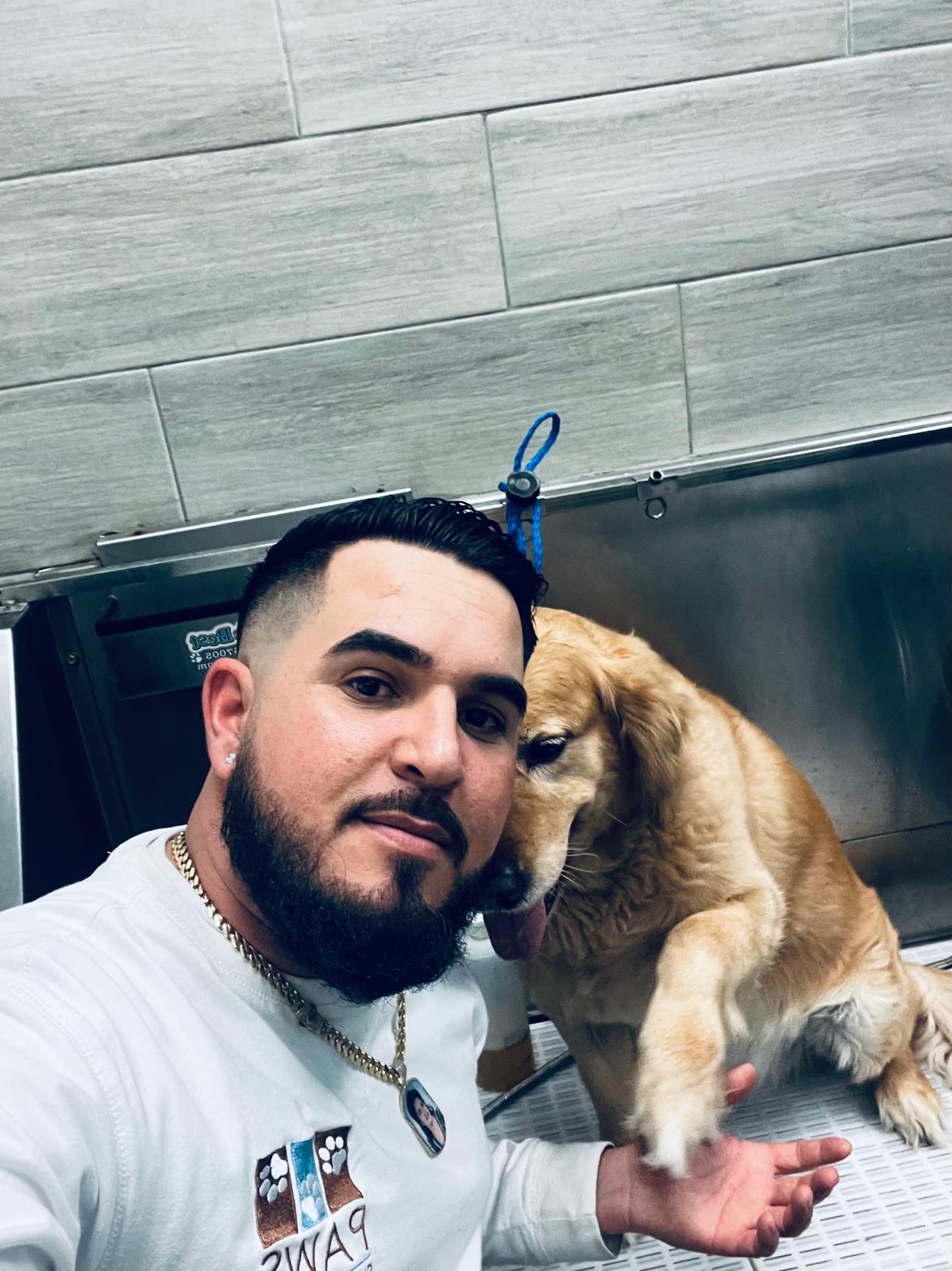
There is a particular kind of dog we always look forward to seeing: the one with the gray muzzle who settles onto the table like it is their own couch. After more than twenty years of grooming in Miami Lakes, we have watched plenty of dogs go from bouncy puppies to dignified seniors. They still love a bath and a fresh trim. They also stand up a little slower, tire a little sooner, and their skin, coat and nails need different attention than they did at three years old.
Grooming does not become less important as a dog ages. In most ways it becomes more important. Older dogs groom themselves less, their nails wear down less on walks, and their skin is more likely to show changes worth catching early. What has to change is the way the groom is done. A senior dog needs more patience, more support and more breaks, and an owner who knows what to watch for between visits.
This guide covers how we adjust grooming for older dogs, what you can do at home to keep them comfortable, and the changes in skin and body that belong in front of your veterinarian.
Five changes that make grooming easier for an older dog
Keep sessions shorter and allow breaks. Trim nails more often, because senior nails wear down less and long nails change how a stiff dog stands. Brush gently and often so the coat never needs a long, uncomfortable dematting. Run your hands over your dog every week and note any new lump, sore or tender spot. And tell your groomer about every health change, from a sore hip to a new medication, before the appointment.
Why grooming matters more as dogs age
Young dogs do a surprising amount of their own maintenance. They scratch, shake, lick and roll, and their daily activity files their nails down. A senior with stiff hips or a sore back simply cannot reach the places it used to. The rear end, the backs of the thighs and the base of the tail get harder to keep clean, and the coat in those areas can tangle or stay dirty without anyone noticing.
Older dogs also tend to walk less and walk slower. Less time on pavement means less natural wear on the nails, so nails that used to stay short on their own start to grow long and curl. Skin often gets thinner and drier with age, and coats can change texture, thin out in spots or grow in coarser than before. Some seniors deal with incontinence or loose stool, which turns the sanitary area into a daily hygiene job.
Then there is the climate. South Florida heat is hard on older dogs, who have a tougher time cooling themselves than they did when they were younger. A heavy, overgrown or matted coat holds heat and moisture against the skin, which is the last thing a senior needs in August. A clean, brushed, well-kept coat lets air move and makes the hot months easier. For double-coated breeds like goldens and shepherds, that means removing the loose undercoat rather than shaving the coat off, since the coat itself helps protect the skin from sun and heat.
How we adjust the groom for an older dog
We groom one dog at a time, and that matters more for seniors than for anyone. There is no line of dogs waiting their turn and no rush to move your dog along. The same people who answer the phone are the ones grooming your dog, so the groomer who handles your senior knows about the bad knee because you told us about it when you booked.
Shorter sessions and real breaks
An older dog's stamina is limited. Standing through a long bath and a full haircut can be tiring for a dog with arthritis or a weak back end. We plan the groom around the dog in front of us. That can mean letting your dog sit or lie down for parts of the work, stopping to let them rest, and getting the most important jobs done first.
For some seniors, the right answer is a lighter service. An Only Bath still covers the bath and brush, nail trim and file, ear cleaning, anal gland expression and teeth brushing, which is everything an older dog truly needs for comfort and hygiene. If your dog has had a Full Service haircut every visit for years, it may be time to talk about whether a simpler groom makes more sense now.
Support for stiff joints
Arthritic dogs do not like their legs lifted high or pulled out to the side. When we trim nails or work on feet, we keep each leg low and close to the body, in the range the dog can move comfortably. We support the back end when a dog needs to stand, and we make sure the dog has solid footing on the table and in the tub so they are not bracing or sliding. We watch how the dog is moving the whole time. A dog who starts trembling or shifting weight off one leg is telling us to slow down or take a rest. Many older dogs also lose some hearing or eyesight and can startle when touched from behind, so we let them know we are there before we touch them and keep the drying gentle. The goal is a dog who goes home clean and comfortable, not exhausted.
A coat that is easier to live with
For dogs who get a haircut, a slightly shorter, simpler style often makes life easier for a senior. Less length means less brushing at home, faster drying, fewer tangles in the areas the dog cannot reach anymore, and a cleaner sanitary area. We are happy to talk through options at drop-off. You know your dog's daily life, and we know which coat will hold up to it.
Nails matter more than ever
If there is one grooming job with a direct effect on a senior dog's comfort, it is nail length. When nails get long, they hit the floor first with every step. That pushes the toes up and back and changes the angle of the whole foot. A young, strong dog can compensate. A dog with arthritis in the wrists, elbows or hips has a much harder time, and long nails can make an already stiff dog walk even more awkwardly.
Long nails also make floors slippery. Plenty of homes in South Florida have tile throughout, and an older dog with weak back legs and long nails can struggle for grip, splay out or have trouble getting up from lying down. Keeping nails short lets the paw pads make more contact with the floor, which gives your dog more traction.
There is a catch with seniors. When nails are left long for a while, the quick, which is the living part inside the nail with nerves and blood supply, grows out along with them. That means you cannot always bring a long nail back to a short length in one session without hurting the dog. The fix is frequent, small trims, which encourage the quick to recede over time. For most older dogs that means a nail trim every couple of weeks rather than once in a while. Filing smooths the edges so a sharp nail does not catch on carpet or scratch thin senior skin. Our guide on how often to trim dog nails goes into the details, including dark nails where the quick is hard to see.
Lumps, bumps and skin changes we notice
One of the most useful things a groomer does for an older dog has nothing to do with appearance. We have our hands on every inch of your dog, wet and dry, under bright light. That is when small changes show up. A new lump on the ribs. A wart on the eyelid. A scab that keeps coming back. A patch of thinning hair. Skin that is red, flaky or greasy. A spot the dog flinches from when we brush it. Owners often cannot see these things at home, especially under a full coat.
When we find something, we tell you about it the same day, and we show you exactly where it is. We are not going to guess what it is. Many lumps on older dogs turn out to be harmless, but there is no way to tell by touch, and some are not harmless. That is a question for your veterinarian, who can examine it and test it if needed. It helps to write down what we found and where, and measure it if you can, so your vet has a record and you can tell if it changes.
We are groomers, not vets
We will point out new lumps, sores, skin changes and tender spots, but we cannot tell you what they are or whether they are serious. Any new lump, a lump that grows or changes, a sore that does not heal, sudden hair loss, a strong smell from the skin or ears, or a dog who seems to be in pain when handled should be seen by your veterinarian. If your dog takes medication for joint pain, ask your vet whether there is anything you should do differently on grooming day. And if your dog has a heart condition, seizures, breathing problems or any other health issue, please tell us when you book so we can plan around it.
What you can do at home between visits
Home care for a senior is less about doing a lot and more about doing a little, often, and gently.
Brush on the floor, not the table. You do not need to lift an older dog onto anything to brush them. Sit on the floor with your dog lying on a towel or their bed, brush one side, then help them switch positions. Five or ten minutes a few times a week keeps the coat open and gives you a regular look at the skin.
Keep the rear end clean. If your senior has trouble with accidents or loose stool, gently clean and dry the area daily so the skin does not get irritated. Damp skin in our humidity gets sore fast. A short sanitary trim, which is part of our Grooming and Full Service options, makes this much easier.
Check the feet. Look between the toes and at the pads every week. Older dogs can get dry or cracked pads, and long hair between the toes cuts down on grip on tile.
Look at the ears and mouth. A quick sniff and look in the ears tells you a lot. So does lifting the lip. Older dogs are more prone to dental problems, and brushing at home a few times a week helps between visits.
Do a weekly hands-on check. Run your hands slowly over your dog from nose to tail. You are feeling for anything new: lumps, scabs, warm spots or places your dog does not want touched. Note anything you find and mention it at your next vet visit, or sooner if it is changing.
Dry them well. Rain in Miami can arrive in a minute and leave a dog soaked on a short walk. Older dogs take longer to dry and can stay damp in the dense parts of the coat. Towel them off thoroughly, especially under the ears, in the armpits and around the tail.
Keeping the trip itself easy
For some seniors, the hardest part of grooming is the car ride and the waiting, not the groom itself. A few small things help. Book an earlier time so you are not driving in the heat of the afternoon, and cool the car down before your dog gets in. Take your dog for a short potty walk before you leave.
For our members, there is another option. The Paws Membership includes members-only pickup and drop-off and at-home grooming across Miami Lakes, Pembroke Pines, Miramar and Hialeah. For an older dog who gets anxious in the car or struggles to get in and out of it, having the groom come to them can make a real difference. Our post on mobile grooming in Miami Lakes explains how that works.
How often should a senior dog be groomed?
As a rule, older dogs do better with a steady rhythm of shorter, simpler visits than with long gaps and big appointments. A dog who comes in every few weeks never builds up long nails, a tangled coat or a dirty sanitary area, so each visit is lighter and quicker. A dog who comes in twice a year usually needs more done, which means more time on the table, which is exactly what a stiff, tired senior does not want.
The right interval depends on the coat. Our guide to how often to groom your dog breaks it down by coat type, and for seniors we generally lean toward the shorter end of each range. That steady rhythm is why many families with older dogs choose the Paws Membership. Members can come in as often as every week or every two weeks, always see the same groomers, and get priority scheduling. For a senior, familiar faces who already know where the sore spots are count for a lot.
The short version
Older dogs need grooming as much as ever, done more gently. Keep sessions shorter, allow breaks, and consider a lighter service if a full haircut has become tiring. Trim nails often, since long nails make stiff dogs walk worse and slide on tile. Brush gently on the floor at home, keep the sanitary area clean and dry, and do a weekly hands-on check for new lumps or sore spots. Tell your groomer about every health change. And when we point out something new on your dog's skin or body, take it to your vet. We will notice it. Your vet will know what it is.
If you have a senior at home who is due for a bath or a nail trim, call us at 305-690-7137 or send a WhatsApp to 305-619-9784. Tell us about your dog, creaky parts included, and we will plan the groom around them.
Frequently asked questions
How often should a senior dog be groomed?
Most older dogs do best with shorter, more frequent visits rather than long gaps. A dog who comes in every few weeks never builds up long nails, tangles or a dirty sanitary area, so each groom is lighter and easier on the body. The exact interval depends on the coat, but for seniors we usually lean toward the shorter end. Nails in particular often need a trim every couple of weeks.
Is grooming stressful for older dogs?
It can be if the groom is long or rushed. That is why we groom one dog at a time, keep sessions shorter for seniors, give breaks when a dog needs them and support stiff joints during nail trims and bathing. Many older dogs handle a calm, familiar routine very well. If your dog has a health condition that could make grooming risky, talk with your vet before booking.
Should I tell the groomer about my senior dog's health problems?
Yes, please. Tell us about arthritis, sore spots, heart or breathing problems, seizures, hearing or vision loss, and any medication changes when you book. That helps us plan how long your dog stands, how we handle the legs and how many breaks to take. It also helps us tell you if anything we see seems new or different.
My older dog has a new lump. Can the groomer tell me what it is?
No. We can show you where it is, tell you roughly how big it seems and whether it is new since the last visit, but nobody can tell what a lump is by touch. Many lumps on older dogs turn out to be harmless, and some do not. Any new or changing lump is worth a visit to your veterinarian.
Have a senior due for a groom?
We groom one dog at a time, keep sessions gentle for older dogs, and tell you plainly about anything we notice along the way.